Sanity Content Operating System: Enterprise Guide

Sanity positions itself as a content operating system rather than a traditional headless CMS. For enterprise technology evaluators comparing platforms, this distinction matters. The terminology signals a different approach to content infrastructure that requires different evaluation criteria, implementation expectations and organizational capabilities.
This article breaks down what the content operating system positioning actually means, where Sanity delivers genuine differentiation and what enterprise buyers should consider before adoption.
We design and develop high-performance websites on Sanity built for scale, speed, and collaboration.

What Makes Sanity's Content Operating System Different
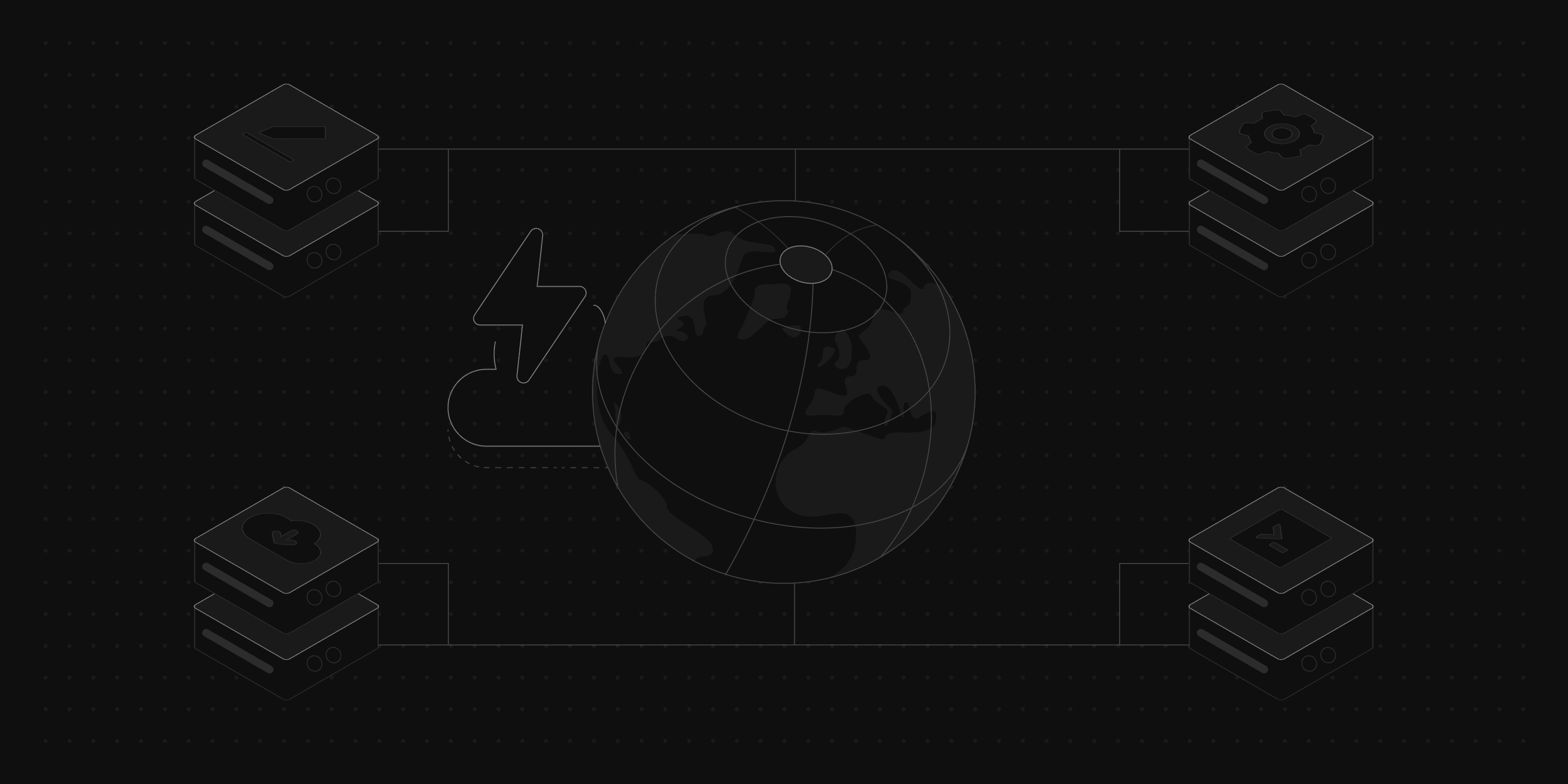
Sanity's content operating system architecture consists of three interconnected layers: a unified Content Lake for storage, compute and AI capabilities for processing, and APIs with SDKs for programmatic access. This structure treats content as foundational infrastructure for building custom applications rather than providing a pre-configured management tool.
The core philosophy centers on a code-first, API-first approach. Teams build custom content workflows and applications while maintaining a unified system for all digital experiences. Unlike traditional headless CMS platforms that offer fixed editing interfaces and predetermined workflows, Sanity's programmability positions the platform as infrastructure for building content-driven applications with workflows matching specific business processes.
For enterprise technology evaluators, this distinction creates a key decision point. Traditional headless CMS platforms like Contentful or Contentstack provide more turnkey solutions with pre-built features. Sanity requires developer investment to build custom workflows but offers significantly more flexibility and programmability in return.
Five Technical Capabilities That Differentiate Sanity
Beyond the architectural philosophy, Sanity delivers specific technical capabilities that create measurable advantages for enterprise implementations. These five areas represent where the platform provides genuine differentiation from competing headless CMS solutions.
GROQ Query Performance
Sanity's proprietary Graph-Relational Object Queries (GROQ) language delivers measurable performance advantages. GROQ-optimized queries typically achieve better average execution times for complex queries.
For B2B SaaS applications with multi-level content hierarchies and complex product catalogs, GROQ's server-side relationship traversal reduces frontend overhead and API call volume. Developers accustomed to GraphQL should expect a one to two week learning curve before reaching full productivity with GROQ syntax.
Native Real-Time Collaboration
Sanity's Live Content API enables subscribing to dataset changes and pushing updates to clients instantly without page reloads or cache purging. Competing platforms rely on webhook-based invalidation strategies that introduce latency and coordination overhead.
For B2B SaaS marketing teams managing time-sensitive product launches, pricing updates or regulatory content changes across multiple regions, Sanity's Live Content API eliminates content drift and reduces coordination overhead.
Schema-as-Code Architecture
Sanity defines content models as JavaScript or TypeScript objects in version control alongside application code. This enables proper code review processes, automated testing of schema changes and CI/CD integration critical for enterprise change management.
React-Based Studio Customization
Sanity Studio's React architecture allows extensive editorial experience customization through custom input components, document views and form APIs. Implementing these customizations requires significant React expertise.
B2B companies with unique content workflows benefit from encoding their specific processes directly into the CMS interface:
- Legal review and compliance approval stages
- Technical validation checkpoints
- Multi-stakeholder authorization workflows
- Custom field validation rules
This developer-first approach means marketing teams ultimately gain independence to manage these workflows, though initial implementation and ongoing platform maintenance require technical resources. Veracity, a B2B data marketplace, cited greater control and developer-friendliness that allowed them to freely choose frontend tooling and provision schemas without specification delays.
Data Portability
Sanity emphasizes content portability through CLI-based dataset export in portable JSON format with schemas defined as code in version control. For risk-averse enterprise buyers evaluating procurement, this reduces vendor lock-in concerns critical during enterprise selection processes, demonstrating clear migration paths if business requirements change.
Marketing Team Independence: The Developer-First Reality
Sanity can deliver significant marketing team autonomy, but with an important caveat. Marketing independence is an outcome of proper developer configuration rather than an immediate out-of-the-box capability.
Visual editing with click-to-edit functionality on live pages, real-time collaborative editing and customizable Studio interfaces all support marketing workflows. However, verified user reviews on Capterra describe the learning curve as steep, especially for users without a developer background, with setup and schema definition complexity cited as common challenges.
The enterprise results when properly implemented are substantial. Amplitude, a product analytics SaaS company, achieved an 18x increase in SEO content production after migrating from WordPress, resulting in a 19% traffic increase in the first full quarter post-migration and a 266% increase in overall CMS usage among their 70 content creators spanning 10 teams. Their marketing team gained the ability to run A/B tests independently without engineering support, with custom workflows integrating Amplitude Experiment for developer-free testing capabilities.
Tecovas documented 144x faster launches after implementation, with product marketing teams gaining ability to launch products without developer intervention.
The pattern requires significant developer investment to enable marketing independence. Organizations should plan for developer setup time and an extended implementation period before marketing teams gain full autonomy. Sanity functions primarily as a developer-first platform where marketing independence follows proper configuration. Teams should expect a moderate learning curve for content editors, particularly those without technical backgrounds.
Enterprise Implementation Evidence
Multiple verified enterprise implementations provide concrete evidence of Sanity's capabilities at scale.
- Amplitude migrated from a highly customized WordPress CMS to Sanity, achieving 76% faster site speed, an 18x increase in SEO content production and a 19% year-over-year traffic increase enabled by 20+ monthly SEO page publications.
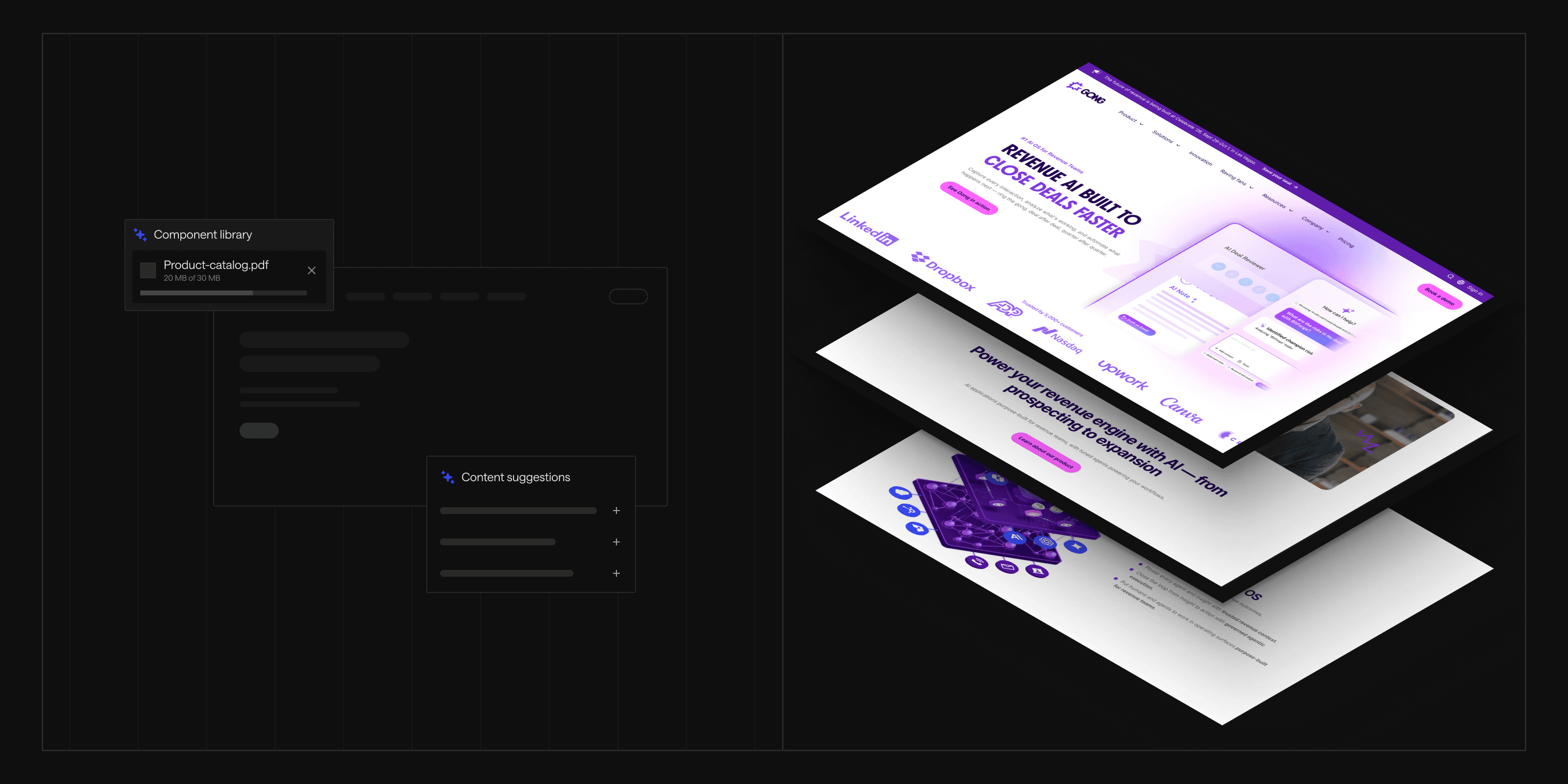
- Gong executed a full website redesign from WordPress to Sanity using a phased rollout strategy that minimized enterprise migration risk. The implementation addressed WordPress plugin bloat and security vulnerabilities while establishing role-based permissions and governance models.
- Veracity, a B2B marketplace platform for maritime and energy industries, manages 200,000 users, 1,500 developers and 1.4 million subscriptions using Sanity as their content backend.
Considerations for Enterprise Evaluators
Enterprise procurement requires evaluating platform limitations alongside capabilities. Sanity presents four areas where enterprise buyers should conduct additional due diligence before committing to implementation.
Pricing Predictability
Sanity's consumption-based pricing creates significant challenges for enterprise budget planning. Unlike traditional CMS platforms with predictable per-user licensing, Sanity's pricing based on document count, API requests and asset storage makes cost escalation difficult to predict. Verified users report difficulty managing costs as projects scale beyond initial deployment.
Pricing tiers range from free (20 users, 10k documents) to $15 per seat/month for Growth (up to 50 users, 25k documents), with custom Enterprise pricing. SSO is available as a $1,399/month add-on for Growth plans, or included in Enterprise.
Localization Architecture
Sanity provides field-level localization through plugins but lacks built-in translation management UI, AI-powered translation, translation memory support and native locale-specific publishing workflows. Teams managing 10+ languages often integrate Sanity with external translation management systems (TMS) like Phrase, Lokalise or Transifex via webhooks, adding $10k-30k annual licensing costs.
Security Certification Transparency
Sanity's security documentation indicates alignment with SOC 2 but lacks publicly-available certification verification, including ISO 27001 certification or explicit SOC 2 Type II reports with full transparency. For regulated industries like healthcare or fintech, this certification transparency gap may create procurement blockers.
Analyst Coverage
Sanity has not achieved inclusion in primary analyst evaluations that enterprise procurement teams typically require such as Forrester Wave™: Content Management Systems, Gartner Magic Quadrant for Digital Experience Platforms, or the IDC MarketScape report on AI-Enabled Headless Content Management Systems. Enterprise organizations with procurement processes that mandate Tier 1 analyst firm validation may face approval challenges.
User satisfaction metrics demonstrate strong enterprise validation through alternative sources: Sanity maintains a 4.5 out of 5 rating based on 271 verified user reviews in Gartner Peer Insights' Web Content Management category.
Alternative validation approaches include extended proof-of-concept projects, detailed reference customer calls and additional due diligence.
Determining if Sanity Fits Your Organization
Sanity's content operating system approach represents a genuine architectural evolution beyond traditional headless CMS. The following criteria help enterprise teams assess organizational fit.
Sanity is appropriate when:
- Dedicated developer resources are available for initial configuration (estimated 2-4 weeks)
- Marketing teams have moderate technical aptitude to overcome the learning curve
- Highly customized workflows are required that generic CMS platforms cannot support
- Strong engineering teams are available to use the platform's programmability and customize React-based Studio interfaces
- Complex data relationships requiring sophisticated querying are central to content architecture
- Organizations are migrating from legacy platforms where implementation investment is justified by substantial operational improvements
Sanity may not be optimal when:
- Immediate marketing independence is required without developer setup time
- Marketing teams are entirely non-technical
- Ongoing developer support for platform maintenance is unavailable
- Native translation management with AI assistance is required
- Procurement processes mandate Tier 1 analyst firm validation
For B2B SaaS companies experiencing meaningful pain with current platforms and possessing engineering resources to build custom integrations, Sanity's content operating system architecture can deliver measurable business outcomes. Amplitude achieved significant increases in content production and organic traffic growth through this investment model. Organizations with functional current platforms or limited technical capabilities may find the switching costs difficult to justify.
Talk to Webstacks about implementing Sanity or determining whether a composable architecture fits your enterprise content infrastructure requirements.

I lead growth at Webstacks, connecting strategy, design, and engineering to build websites that drive results. I specialize in website strategy, CMS implementation, and helping B2B teams scale their web presence.