Contentful vs Contentstack: Find Your CMS
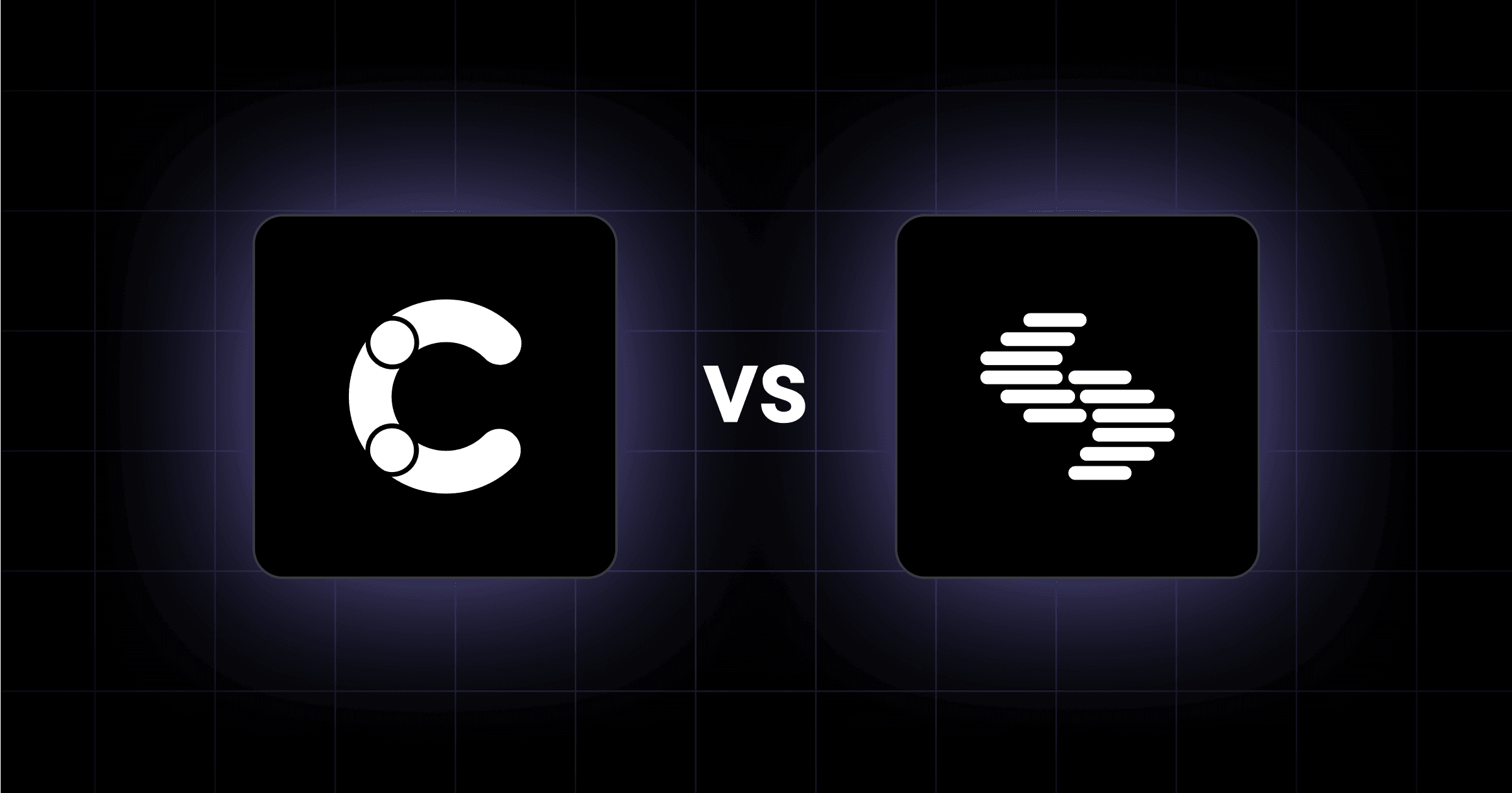
Contentstack's built-in enterprise features can reduce total cost of ownership and accelerate implementation for B2B SaaS marketing teams who need to launch campaigns without waiting on developers. But Contentful wins if you have strong technical resources and prioritize API flexibility over out-of-box enterprise features.
Choosing between Contentful and Contentstack isn't really a CMS decision. It's a decision about who controls your content operations: your marketing team or your development queue.
Both platforms check the enterprise boxes—headless CMS architecture, SOC 2 Type II compliance, 99.99% uptime SLAs. But beneath these surface similarities lie fundamentally different philosophies born from a 5-year founding gap. Contentful emerged in 2013 as developer-first infrastructure. Contentstack launched in 2018 specifically to solve the enterprise bottlenecks that first-generation headless platforms created.
For B2B SaaS marketing leaders scaling toward enterprise customers, this philosophical difference translates into concrete operational outcomes. These outcomes include campaign velocity, implementation timelines, and the true cost of content operations. This comparison breaks down exactly where each platform excels—and which one aligns with your team's technical resources and growth trajectory.
See how Webstacks maximizes Contentful for scalability and the best content editing experience.
Two Platforms, Two Founding Philosophies
Contentful launched in 2013 as a developer-first API infrastructure platform in Berlin. The founders responded to limitations of monolithic CMS platforms that couldn't support mobile-first, multi-channel delivery. This technical mindset means enterprise governance and workflow tools were not built-in from the start. Contentful was designed for developers to build these capabilities rather than for business users to operate them independently.
Contentstack launched in 2018 specifically to address the enterprise operational challenges that first-generation headless platforms created. The founders emerged from the team that built and sold Built.io to Software AG. The Contentstack team observed enterprise clients struggling with platforms requiring extensive developer resources. Contentstack's architecture emphasized composable DXP with enterprise governance from inception. The platform integrated content management with personalization, AI, and omnichannel orchestration as a unified system.
This 5-year founding gap explains the operational differences that surface during daily content operations. The gap directly shapes the platform capabilities examined below.
Marketing Autonomy vs Developer Control
Who controls content operations directly impacts campaign velocity and marketing team productivity.
Contentstack Prioritizes Marketing Team Independence
Contentstack provides drag-and-drop content modeling interfaces, visual editing tools, and no-code workflow automation through Contentstack Automate. Marketing teams can create and modify content types, build approval workflows, and connect martech integrations without developer involvement.
Forrester's Wave CMS 2025 specifically recognizes Contentstack for "strong visual editing and AI-driven personalization." The report positions Contentstack as enabling "marketing teams to scale content operations" independently.
Contentful Provides Superior Developer Flexibility
Contentful's multi-space architecture enables strict content isolation across business units through multiple API types (REST, GraphQL, Management API, Delivery API, Preview API). The Content Delivery API has a rate limit of 55 requests per second, while the Content Management API defaults to 7 requests per second. This architectural control appeals to technically sophisticated organizations with dedicated development resources.
However, Gartner Peer Insights reviews consistently note that workflow setup requires technical configuration and IT involvement for complex approval chains. Contentful's long-standing focus on developers means its practitioner program is still emerging, as noted in The Forrester Wave™: Agile Content Management Systems (CMSes).
Enterprise Features That Matter
Beyond the autonomy question, specific enterprise capabilities determine daily operational efficiency.
Workflow and Approval Management
Contentstack offers highly customizable workflows with named stages, role assignments per stage, publish approval conditions, integrated task management, and comprehensive audit logs. The Contentstack system can enforce multi-reviewer requirements, preventing content creators from self-advancing through approval stages. Multi-reviewer enforcement matters for regulated industries requiring documented approval chains.
Contentful workflows operate at the space level with administrator-controlled definitions. Enterprise users note that while Contentful offers "flexibility and scalability," initial content model setup requires developer involvement.
Localization Capabilities
For B2B companies expanding globally, localization architecture determines how quickly regional teams can launch campaigns:
- Contentstack offers 200+ pre-configured locales, independent versioning per language, and automatic fallback content display for seamless user experiences
- Contentful requires manually defining locales as language-region pairs (e.g., "en-US", "fr-FR") within each space, with multi-space architectures recommended—not required—for complex multi-site management. Manual locale configuration can create delays when complete translations lag campaign launches
- Contentful provides AI-powered translation tools with native Smartling integration for professional translation management
Organizations with rapid global expansion priorities benefit from Contentstack's pre-configured architecture. Organizations with established translation workflows may prefer Contentful's Smartling integration.
Content Governance
Verified enterprise comparison data on TrustRadius shows enterprise users rate Contentstack at 8.2/10 overall versus Contentful's 7.5/10. Enterprise users cite Contentstack's top-rated capabilities as advanced workflow automation, security and compliance features, responsive enterprise support, and field-level permissions for granular governance.
Cost Comparison
Contentful and Contentstack both use custom enterprise pricing without public dollar amounts on their sites, focusing instead on tiered plans tied to usage and features.
Contentful Plans
Contentful offers Free, Basic, and Premium tiers. Free includes limited API calls (100K/month) and one space. Paid plans scale by API calls, spaces, users, and add-ons like Content Studio (visual editing) or AI Actions, with overages charged—details require sales contact.
Contentstack Plans
Contentstack provides Growth, Business, and Enterprise plans, with no free tier. Higher tiers include built-ins like front-end hosting, automation hub, granular permissions, and AI tools. Pricing is quote-based via demo request, emphasizing bundled enterprise capabilities.
Key Differences
Contentful highlights modular Marketplace add-ons; Contentstack stresses included workflows and governance to minimize extras. Both direct mid-size teams (5-10 users) to sales for tailored quotes—no TCO or numerical comparisons available officially.
Integration Capabilities
Both platforms provide enterprise-grade integration capabilities with distinct approaches. Integration architecture matters for organizations implementing MACH principles (Microservices, API-first, Cloud-native, Headless) within their composable architecture strategy.
| Dimension | Contentful | Contentstack |
|---|---|---|
| Marketplace | 100+ apps and plugins including Amplitude, Braze, Brandfolder, Aprimo | Emphasizes API performance over marketplace size |
| HubSpot | Native app with token-based authentication | Requires third-party iPaaS (Zapier) |
| Throughput | 55 requests/second | 100 requests/second (82% higher) |
| Angular Support | General framework guides | Dedicated SDK |
Contentful's larger ecosystem provides meaningful advantage for organizations with extensive HubSpot dependencies and common martech connections. Contentstack's higher API throughput matters for high-traffic marketing websites.
Implementation Timeline Reality
Implementation speed impacts time-to-value, but specific timelines vary by project complexity.
Contentstack Features
Contentstack provides out-of-box governance, pre-built workflow templates, visual content modeling tools, and no-code integration capabilities to streamline enterprise setups.
Contentful Features
Contentful supports enterprise deployments with automation tools, AI Actions, and modular workflows for custom requirements.
Official Guidance
Both vendors recommend phased implementation strategies without publishing concrete timelines or direct speed comparisons. Actual deployment durations depend on team size, customization needs, and existing infrastructure.
What Analysts and Customers Say
Independent analyst evaluations and customer data reveal meaningful differences in how each platform is positioned heading into 2025. Here's what the evidence shows across three dimensions: analyst recognition, public reviews and published customer outcomes.
Analyst Positioning: Gartner, Forrester and IDC
Both Contentstack and Contentful were first-time entrants to the 2025 Gartner Magic Quadrant for Digital Experience Platforms (published January 28, 2025), but landed in different quadrants.
Contentstack (Visionary) earned recognition for three specific strengths:
- Native front-end hosting, a differentiator among headless and composable vendors in the evaluation
- Organically built personalization, developed in-house rather than acquired, with an incremental adoption path for customers
- Customer service, with Gartner highlighting the "Care Without Compromise" program for driving high satisfaction and retention
Gartner's cautions noted that Contentstack's pricing is geared toward large enterprises and that the platform presents a comparatively steep learning curve for nontechnical users.
Contentful (Niche Player) was recognized for its composable, headless architecture, strong brand awareness and a broad partner network across Europe and North America. However, Gartner flagged three concerns:
- Stability: A complete C-suite overhaul combined with declining product innovation raised questions about the vendor's ongoing vision
- Nascent personalization: Native capabilities are based on the August 2024 acquisition of Ninetailed, with potential gaps in expected functionality like predictive analytics
- Developer-centric positioning: A historical focus on IT buyers rather than marketing and nontechnical business users means some prospects with usability requirements may not consider it
Beyond the DXP evaluation, Contentstack collected additional analyst recognition: Leader in The Forrester Wave: Content Management Systems, Q1 2025 (notably the only pure headless provider evaluated) and Leader in the IDC MarketScape: Worldwide AI-Enabled Headless CMS 2025.
Public Review Data
On Gartner Peer Insights, the most accessible apples-to-apples comparison, Contentstack holds a 4.6 out of 5 (95 reviews) compared to Contentful's 4.4 out of 5 (383 reviews). Contentful's larger review volume reflects its longer market tenure. Both platforms also appear on G2, though ratings vary by category and review period; teams evaluating these platforms should check current listings directly for the most up-to-date scores.
Published Case Studies
Both vendors back their positioning with verified customer outcomes that demonstrate ROI at scale.
- Contentstack: Pirelli migrated 218 websites in 10 months, achieving 75% faster publishing and 55% more efficient editing workflows. Contentstack's broader portfolio highlights publishing velocity and multi-site scalability as recurring themes.
- Contentful: Kraft Heinz reported a 30% engagement increase and 78% higher conversions. Contentful's portfolio emphasizes performance optimization for established implementations.
Making the Right Choice
Use the decision framework below to match your organizational priorities and technical capabilities with the right platform.
Select Contentstack when:
- Marketing team independence and campaign velocity are strategic priorities
- Developer resources are constrained or prioritized for product development
- Complex approval workflows require multi-reviewer enforcement without custom development
- TCO predictability matters more than lower entry costs
- HIPAA-ready architecture with specific BAA verification is required for healthcare operations
Select Contentful when:
- Strong technical resources are available for custom CMS architecture
- Architectural control, API extensibility, and flexible content modeling are prioritized over pre-built enterprise features
- HubSpot CRM integration is a critical requirement (native app available)
- Angular is the primary frontend framework (dedicated SDK available)
- Stable, well-defined content operations suit custom integration architecture
Your CMS Choice Is Only as Strong as Your Implementation
The headless CMS market is converging on a model where marketing teams own content operations end-to-end. Both platforms reflect that trajectory. The real question isn't which CMS you select. It's whether your implementation actually delivers the operational independence these platforms promise.
That's where most B2B SaaS teams stall. They pick the right platform, then pair it with architecture decisions that recreate the developer dependencies they were trying to eliminate. Every sprint cycle your marketing team spends waiting on content model changes is a cycle your competitors use to launch campaigns and capture pipeline.
The organizations seeing 75% faster publishing and 30%+ engagement gains aren't just choosing well. They're implementing composable systems with governance models and component libraries that deliver marketing independence from day one.
Talk to Webstacks to turn your CMS investment into a self-sufficient content operation. Our Product Teams implement composable architectures that give your marketing team real ownership of your web presence, not just access to a content editor.

Your website is your biggest growth lever—are you getting the most out of it? Schedule a strategy call with Webstacks to uncover conversion roadblocks, explore high-impact improvements, and see how our team can help you accelerate growth.

I lead our insights and optimization practice, specializing in conversion rate optimization and A/B testing. I've spent over a decade helping companies turn website traffic into measurable revenue.