What is Sanity?

When marketing teams submit content update requests that take weeks to implement, the CMS has become a growth constraint rather than an enabler. When every landing page requires developer intervention, campaign velocity suffers. When enterprise prospects encounter digital experiences that don't reflect your company's actual capabilities, deals stall before sales conversations begin.
These challenges drive B2B SaaS companies toward a fundamental question: does the content management architecture itself need to change?
Sanity represents one answer to that question—a developer-first, API-based headless CMS that separates content management from content presentation. For B2B technology companies evaluating platform options, understanding what Sanity actually is, how it works, and where it fits requires moving beyond marketing claims to examine architecture, capabilities, and proven enterprise implementations.
Defining Sanity: A Headless CMS Built for Composable Architecture
Sanity.io operates as a headless CMS, meaning it fundamentally separates content management (the "body") from content presentation (the "head"). According to Sanity's official documentation, this architectural approach enables content reuse across multiple platforms—websites, mobile applications, digital signage, or any other channel—from a single content source, without being locked into specific presentation technologies.
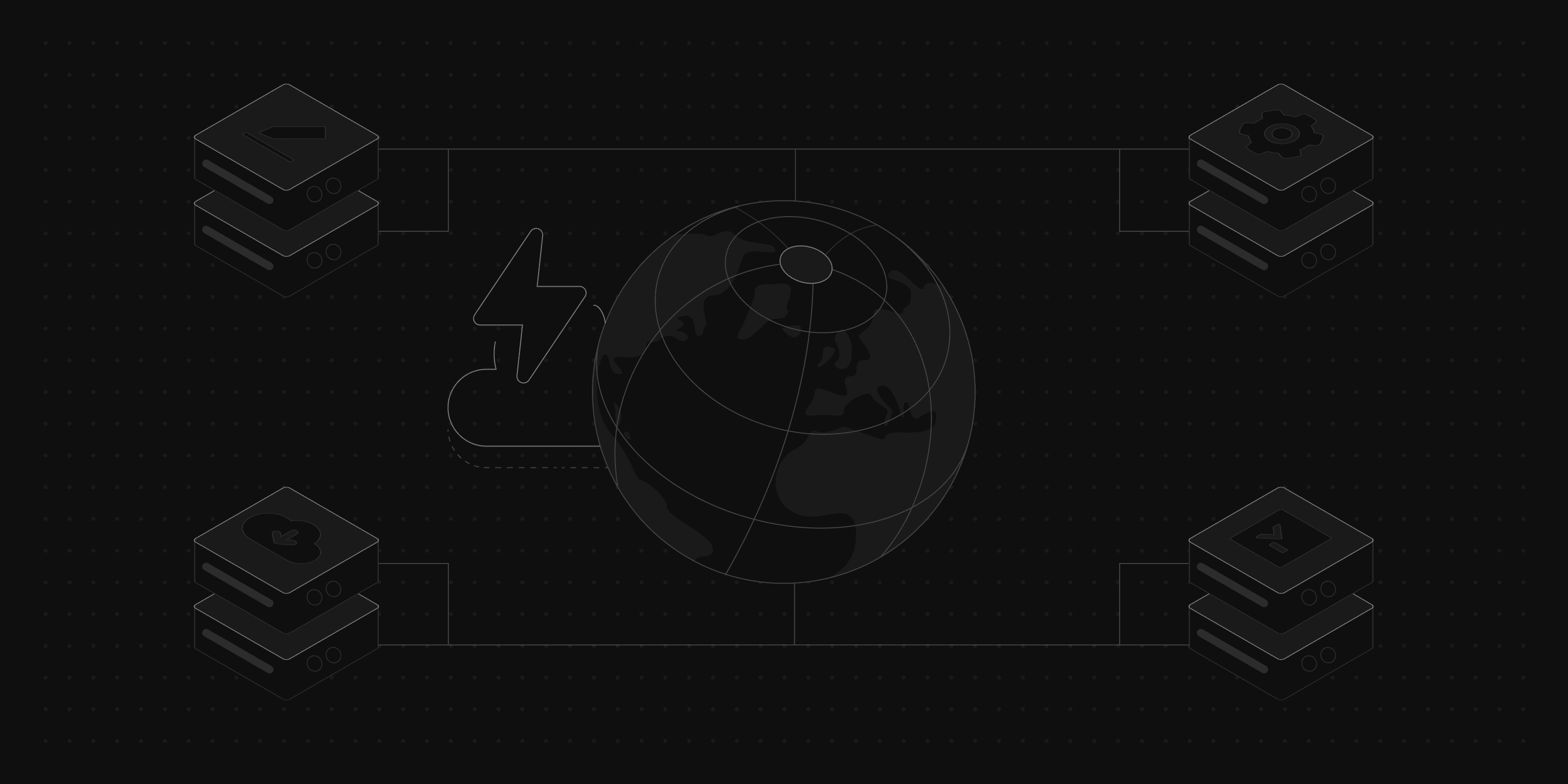
The platform's architecture consists of four foundational components.
Content Lake
This centralized structured content repository stores all content as structured data rather than rendered HTML pages. This distinction matters for B2B companies managing complex product information, technical documentation, and marketing content across multiple properties.
API-First Delivery
Content is delivered via RESTful and GraphQL APIs, providing complete flexibility in how applications consume content. For organizations using modern frontend frameworks like Next.js, Gatsby, or Nuxt, this enables direct integration without middleware complexity.
Sanity Studio
This React-based editing interface can be extensively customized to match specific organizational workflows. Unlike locked-down CMS interfaces, Studio can be tailored to how teams actually work rather than forcing process adaptation to tool limitations.
GROQ Query Language
Sanity's proprietary query language enables precise content retrieval. According to Sanity's GROQ documentation, it supports complex filtering, projection, and transformation operations—enabling developers to request exactly the content needed rather than retrieving entire pages or documents.
How Sanity Differs from Traditional CMS Platforms
Traditional content management systems couple content creation with presentation. WordPress, for example, stores content in formats optimized for specific display templates. When marketing teams need content to appear differently across channels—website, mobile app, partner portal—they typically recreate that content multiple times or implement complex workarounds.
Sanity's headless architecture addresses this by treating content as structured data. A product description, customer testimonial, or campaign message exists independently from how it's displayed. The same content can power a marketing website, populate a mobile application, feed email templates, and supply sales enablement tools without duplication.
This approach requires more technical sophistication during implementation. Frontend applications must be built to consume Sanity's APIs and render content appropriately through frameworks like Next.js, Gatsby, or Nuxt. However, this separation of content management from presentation provides marketing teams with significant operational advantages once the architecture is established, including the ability to distribute content across multiple channels from a single source without requiring content recreation.
According to Sanity's schema documentation, content structures are defined using JavaScript or TypeScript rather than through administrative interfaces. This "schemas-as-code" approach means content models can be version-controlled, subjected to code review, programmatically validated, and deployed through standard CI/CD pipelines—practices familiar to engineering teams but often absent from traditional CMS implementations.
Key Capabilities for B2B Marketing Operations
Beyond its core architecture, Sanity offers several features specifically designed to streamline how marketing teams create, manage, and distribute content at scale.
Flexible Content Modeling
Sanity's schema-based approach enables organizations to create content types that match specific marketing requirements. According to Sanity's content modeling guide, teams can create modular content blocks—author biographies, product features, customer testimonials—that can be reused across multiple pages and channels. This ensures content consistency while reducing duplicate content creation efforts.
For B2B companies managing extensive product catalogs, case study libraries, or technical resource centers, this modularity addresses a persistent challenge: maintaining consistency across hundreds of content pieces while enabling rapid updates when products or messaging evolve.
Real-Time Collaboration
According to Sanity's real-time documentation, the platform provides native collaborative editing capabilities. Multiple team members can work on the same content simultaneously, with changes appearing in real-time for all collaborators. This eliminates the document "locking" issues common in traditional CMSs where one editor's work blocks others.
For distributed B2B marketing teams operating across time zones, this capability enables parallel workstreams during campaign launches. According to Sanity's Real-Time Content documentation, one marketer can update landing page hero sections while another refines calls-to-action simultaneously, all without version conflicts or lost work through conflict-free collaborative editing that allows multiple team members to work on different sections of the same page in real-time.
Avoid costly mistakes and last-minute surprises by preparing with our actionable checklist.

Customizable Editing Experience
According to Sanity's Studio customization documentation, organizations can tailor how editors input different content types. This includes creating custom color pickers that only display brand-approved colors, building SEO preview tools that show how content will appear in search results, and designing specialized input fields for complex content types.
For B2B companies implementing structured content management with distributed teams, this customization ensures that content creation tools enforce brand standards while enabling marketing autonomy without constant developer oversight.
Digital Asset Management: Centralized Media Control
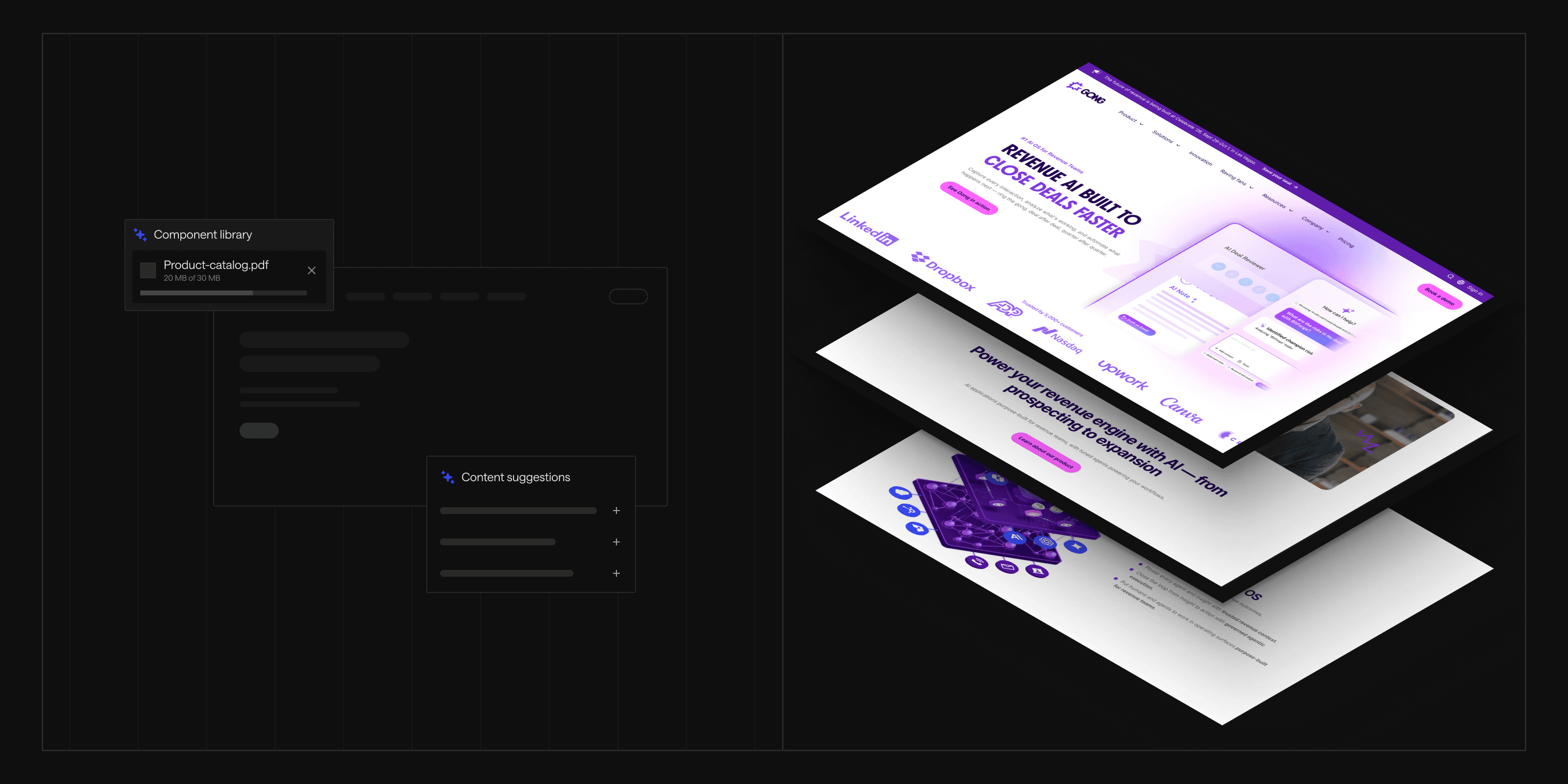
According to Assets documentation, Sanity provides comprehensive digital asset management capabilities for handling images, videos, PDFs, and other media files that marketing teams use in daily operations. The platform automatically optimizes images for web performance, delivers assets through a global Content Delivery Network (CDN), enables asset relationship tracking across all digital properties, and for enterprise customers provides an enhanced Media Library with advanced organization, collaboration, and usage tracking capabilities.
Enterprise Infrastructure and Security
For technology evaluators assessing vendor stability, Sanity's infrastructure credentials matter. According to a Google Cloud case study, the platform runs on Google Kubernetes Engine with automatic scaling, Cloud CDN, and global load balancing.
From a compliance perspective, Sanity maintains SOC 2 Type 2 certification, GDPR compliance, EU data residency in Belgium, and Single sign-on integration for enterprise authentication, as documented on the platform's Enterprise page and security standards documentation. For additional details on developer-first platform capabilities for B2B websites, these features are further analyzed in industry guides like Webstacks' comprehensive platform overview.
Financial stability signals vendor viability for multi-year platform commitments. According to CMSWire reporting, Sanity raised $85 million in Series C funding in 2025, indicating strong investor confidence and providing runway for continued platform development.
Proven B2B Enterprise Implementations
Understanding Sanity's actual capabilities requires examining verified enterprise implementations rather than marketing claims.
DataStax
This enterprise database technology company transitioned from a decade-old legacy CMS to Sanity. According to their official case study, the implementation reduced content release cycles from 7-10 days to 72 hours—a 70-90% improvement in content velocity. The company implemented automated translation workflows through structured content and simplified multi-site migration processes.
Cornerstone OnDemand
This cloud-based learning and talent management platform serves over 42 million users globally and implemented Sanity to overcome legacy CMS limitations. According to their case study, the implementation created a custom editing interface specifically tailored for marketers and enabled marketing team autonomy without constant developer intervention.
OM System
This B2B digital imaging equipment brand represents one of the largest documented Sanity implementations. According to Scandiweb's case study, the company manages 70 store views across 20 languages through Sanity, with content publishing time reduced from hours to minutes and the complete solution delivered in 5 months despite massive scale.
Amplitude
This product analytics SaaS platform achieved a 184% increase in SEO-optimized content production and 60% improvement in site performance after Sanity implementation, according to their customer story.
Competitive Context: Where Sanity Fits
Sanity positions between the enterprise-heavy governance of Contentful and the developer-controlled flexibility of open-source options like Strapi, with developer-friendly features that empower technical teams while maintaining enterprise-grade security and compliance.
According to Spendflo's pricing analysis, Contentful's enterprise pricing ranges from $5,000 to $70,000+ annually, with a Lite tier at $300/month. Sanity's official pricing shows a Growth plan at $15 per seat/month with custom Enterprise pricing. For small teams, Sanity's per-seat model can provide significant cost advantages over Contentful's flat-rate Lite tier, though actual savings depend on team size and usage patterns, as Sanity's pricing includes pay-as-you-go overages for API requests, bandwidth, and storage.
However, Sanity operates on a pay-as-you-go overage model for API requests, bandwidth, and storage that requires active cost management. According to Sanity community discussions, unoptimized implementations—including frontend queries that fail to utilize API CDN caching, inefficient GROQ queries, and automation loops—can create unexpected cost spikes that extend well beyond base subscription fees.
Independent review platforms provide user satisfaction context. According to verified G2 ratings, Sanity receives a 4.7/5 rating compared to Contentful's 4.2/5, with reviewers consistently highlighting superior developer experience but noting a learning curve for the proprietary GROQ query language.
Here's everything you and your team need to know before replatforming your website.
When Sanity Makes Sense for B2B Organizations
Understanding where Sanity delivers the most value requires examining common pain points in B2B content operations. The following use cases represent scenarios where Sanity's architectural advantages translate most directly into measurable organizational benefit.
Marketing Teams Requiring Content Independence
The platform eliminates developer bottlenecks for routine content updates, enabling marketers to publish without technical dependencies. The Cornerstone OnDemand implementation demonstrates this outcome, achieving marketing team autonomy for content updates without constant developer intervention. Similarly, DataStax reduced content release cycles from 7-10 days to 72 hours—a 70-90% improvement in content velocity.
Organizations Managing Multi-Channel Content
Structured content powers websites, applications, and other channels without duplication, allowing teams to maintain a single source of truth across all digital properties. This approach proves particularly valuable for B2B companies distributing product information, case studies, and marketing messaging across web properties, mobile apps, partner portals, and sales enablement tools simultaneously.
Companies with Technical Teams
Organizations capable of leveraging GROQ optimization, schema customization, and Studio configuration maximize Sanity's value through these advanced capabilities. Teams with JavaScript or TypeScript expertise can define content schemas as code, enabling version control, code review, and CI/CD deployment practices that align with modern development workflows.
Enterprises Requiring Compliance Certifications
SOC 2 Type 2 and GDPR compliance address standard security and regulatory requirements for organizations with strict governance needs. Single Sign-On (SSO) integration with SAML is available for Enterprise plan customers, enabling identity management control required by many procurement processes. EU data residency options in Belgium provide additional compliance flexibility for organizations with regional data requirements.
Implementation Considerations
Sanity requires more technical expertise to implement optimally than traditional CMSs. Organizations should budget 20-30 hours of developer time for implementation optimization—CDN caching configuration, query optimization, and monitoring setup—to realize the platform's cost and performance advantages.
Evaluating Sanity for Your B2B Content Strategy
Sanity represents a mature headless CMS option for B2B SaaS companies requiring developer flexibility, marketing team autonomy, and enterprise-grade infrastructure. The platform's proven implementations at companies like DataStax, Cornerstone OnDemand, and OM System demonstrate concrete outcomes: 70-90% faster content release cycles, hours-to-minutes publishing improvements, and measurable marketing independence.
For organizations evaluating headless CMS platforms, Sanity's architecture addresses the fundamental challenge of separating content from presentation—enabling marketing teams to execute campaigns without developer dependencies while providing technical teams with the flexibility modern web architectures require.
Ready to implement Sanity for your B2B website? Webstacks specializes in headless CMS implementations for B2B SaaS companies, combining strategic content architecture with technical expertise to deliver measurable results. Talk with our team to discuss how Sanity can transform your content operations.

Your website is your biggest growth lever—are you getting the most out of it? Schedule a strategy call with Webstacks to uncover conversion roadblocks, explore high-impact improvements, and see how our team can help you accelerate growth.

I lead growth at Webstacks, connecting strategy, design, and engineering to build websites that drive results. I specialize in website strategy, CMS implementation, and helping B2B teams scale their web presence.