















Is Astro the Right Framework for Your Headless Website?
Astro is a modern web framework built for content-driven websites. It ships zero client-side JavaScript by default and only hydrates the interactive parts of a page, which makes it a strong fit for marketing sites where speed and SEO matter most.
If you’re exploring Astro for your business, Webstacks can help you implement it.
Who is Astro best suited for?
Astro is a great fit if your website is primarily content: marketing pages, blogs, resource libraries, documentation, and landing pages.
Teams that want fast page loads without giving up interactive features benefit most from its islands architecture, which renders pages to HTML and hydrates only the components that actually need JavaScript.
If you’re working with a headless CMS, Astro makes it straightforward to pull in structured content and render it at build time or on demand.
What makes Astro a great choice for B2B marketing websites?
Speed and SEO are table-stakes for B2B websites, and Astro is built around both. Pages are rendered to HTML at build time or on the server, so search engines and visitors get fully formed content without waiting on JavaScript.
Astro is also framework-agnostic. You can use React, Vue, Svelte, Solid, or Preact components in the same project and load each one only when it’s needed, such as on page load, when it scrolls into view, or when the browser is idle. That keeps interactive elements like forms, calculators, and carousels responsive without slowing down the rest of the page.
How does Astro compare to Next.js, Gatsby, and other Jamstack frameworks?
Astro, Next.js, and Gatsby can all power headless websites, but they take different approaches.
Next.js is a React framework built for web applications as well as websites, and it sends React to the browser to power its client-side experience. Astro starts from the opposite direction: HTML first, with JavaScript added only where you opt in. For content-heavy marketing sites, that usually means less JavaScript shipped to visitors.
Gatsby pre-generates pages at build time and centers on a GraphQL data layer. Astro supports static generation too, but it also offers on-demand server rendering per page and can fetch content from any API directly, without a required data layer.
If your website behaves more like a web application, with authenticated dashboards or heavy client-side state, Next.js is often the better choice. If it’s a content-driven marketing site, Astro is a strong option.
What should I consider before migrating my website to Astro?
Here’s what you should think about before making the switch to Astro:
- Content management: If you're using a traditional CMS like WordPress, you'll need to adopt a headless CMS or another structured content source.
- Hosting setup: Static Astro sites can be hosted almost anywhere, while server-rendered pages run through adapters for platforms like Vercel, Netlify, Cloudflare, or Node.js.
- Rendering strategy: Decide which pages should be prerendered at build time and which should render on demand based on how often your content updates.
- Interactive components: Identify which parts of your site need client-side JavaScript so they can be built as islands, and verify that your marketing tools, analytics, and other external services are compatible with Astro.
Can Astro integrate with a headless CMS like Sanity or Contentful?
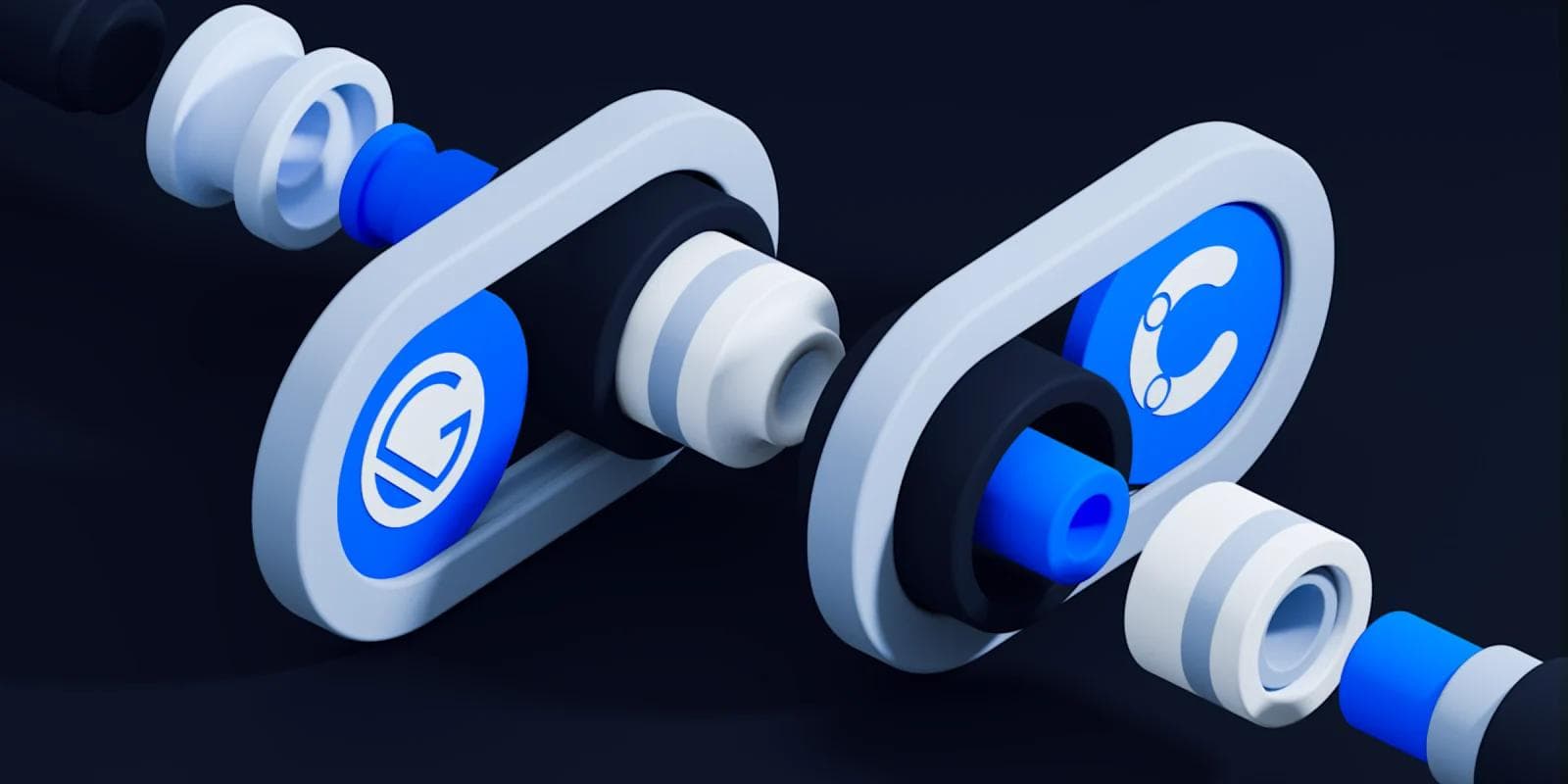
Yes, Astro integrates with headless CMS platforms like Sanity, Contentful, and Storyblok. Its content collections let you load, validate, and type content from a CMS or local files. If you’re looking to connect Astro with a headless CMS, Webstacks can help you set up the right integration for your workflow.
How does Webstacks help businesses implement and optimize Astro?
Webstacks helps businesses build fast, scalable websites with Astro, whether you need a full redesign, migration, or ongoing design and development resources.
If you're migrating from another platform, we handle the transition while keeping your SEO intact and minimizing disruptions. For teams already using Astro, we optimize site speed, integrate headless CMS platforms like Sanity or Storyblok, and improve scalability.
After launch, we provide ongoing support and consulting to keep your website running smoothly. Set up a call with our team to learn more about our approach.