CRO Marketing: The Good, The Bad, and The Ugly for B2B & SaaS
What Does CRO Mean?
CRO stands for conversion rate optimization. The main aim of CRO is to segment audiences with personalized experiences to increase the propensity of a user to perform the desired action displayed on a web property. A/B split testing is the primary focus of CRO marketing.
The Good Part About CRO Marketing
There are more advantages to CRO than disadvantages. Investing in conversion rate optimization services is an excellent investment for both business models, considering the following statistic.
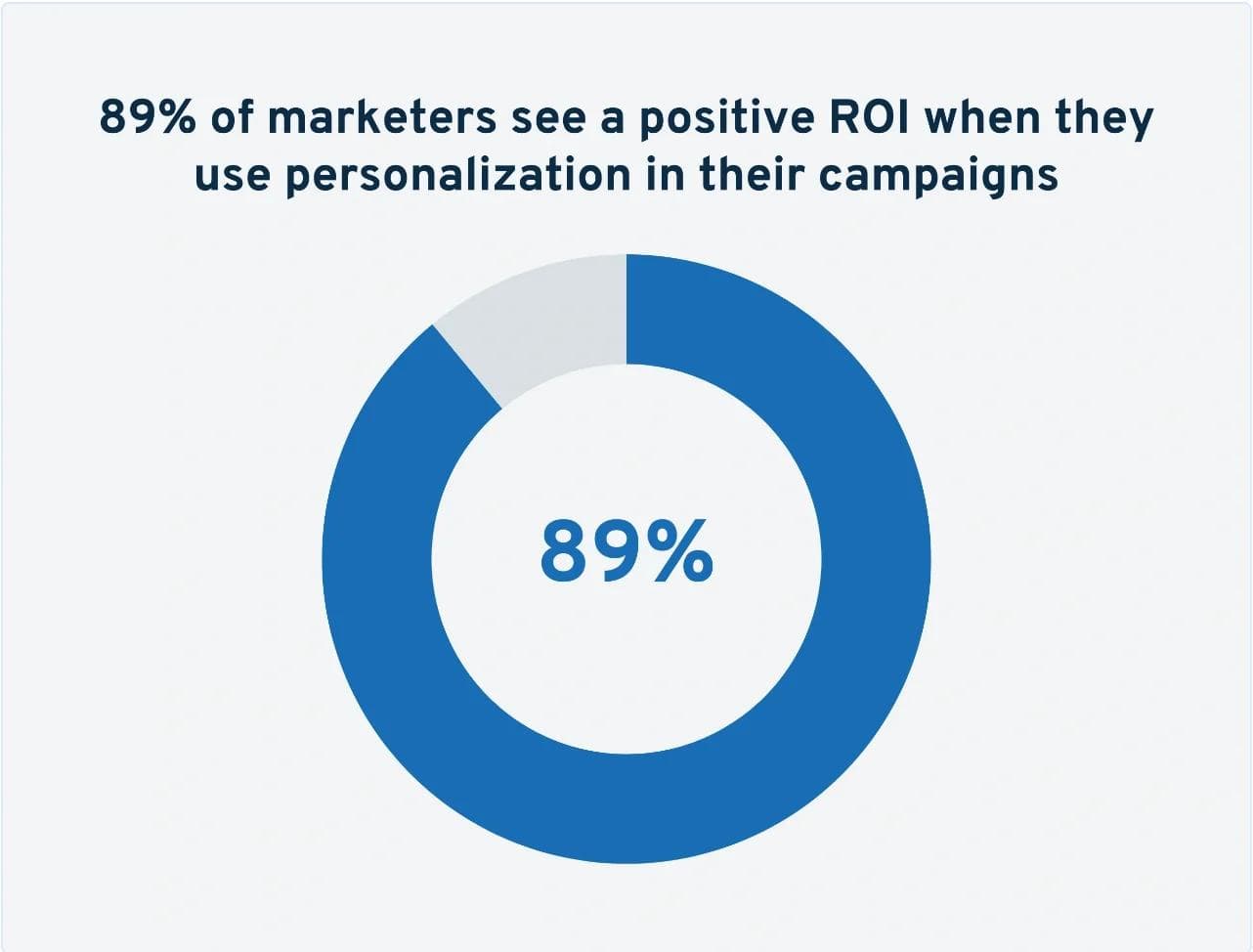
Only five percent of 3,000 marketers surveyed in a study that invested in CRO marketing did not generate ROI. Therefore, this translates to 2,850 companies improving their conversion, placing the win rate at 95%.
Additionally, 96% of B2B marketers agree that segmentation is the most valuable method for improving conversion rates. Therefore, when applying personalization to segments, marketers can increase their odds of success.
Source: Exploding Topics
CRO marketing is a win-win-win situation. If you are a SaaS organization, you can increase brand awareness by offering highly tailored experiences through personalization, increasing the likelihood of returning customers and leading them towards a conversion action.
As a B2B business, you can consistently refine your approach to capture more leads that can convert through A/B split testing. As a result, every dollar spent on paid media can generate a significant return on your ROAS.
Last but not least, the user will have a priceless tailored experience that creates a higher perceived value that will increase your LTV (lifetime value).
The Bad Part About CRO Marketing
The bad part about CRO marketing is most organizations are not implementing CRO tests. A study revealed that companies spend just $1 on conversion rate optimization for every $92 spent on customer acquisition.
Why spend so much on top-of-funnel marketing vs. the bottom-of-the-funnel to convert users? Most companies realize that if they were to increase their conversion rate by one percentage point, they would double their revenue.
Men lie, women lie, but numbers don't lie. The slightest uplift in a conversion rate could translate into millions of dollars in additional revenue and perhaps even help you win an election presidential election.
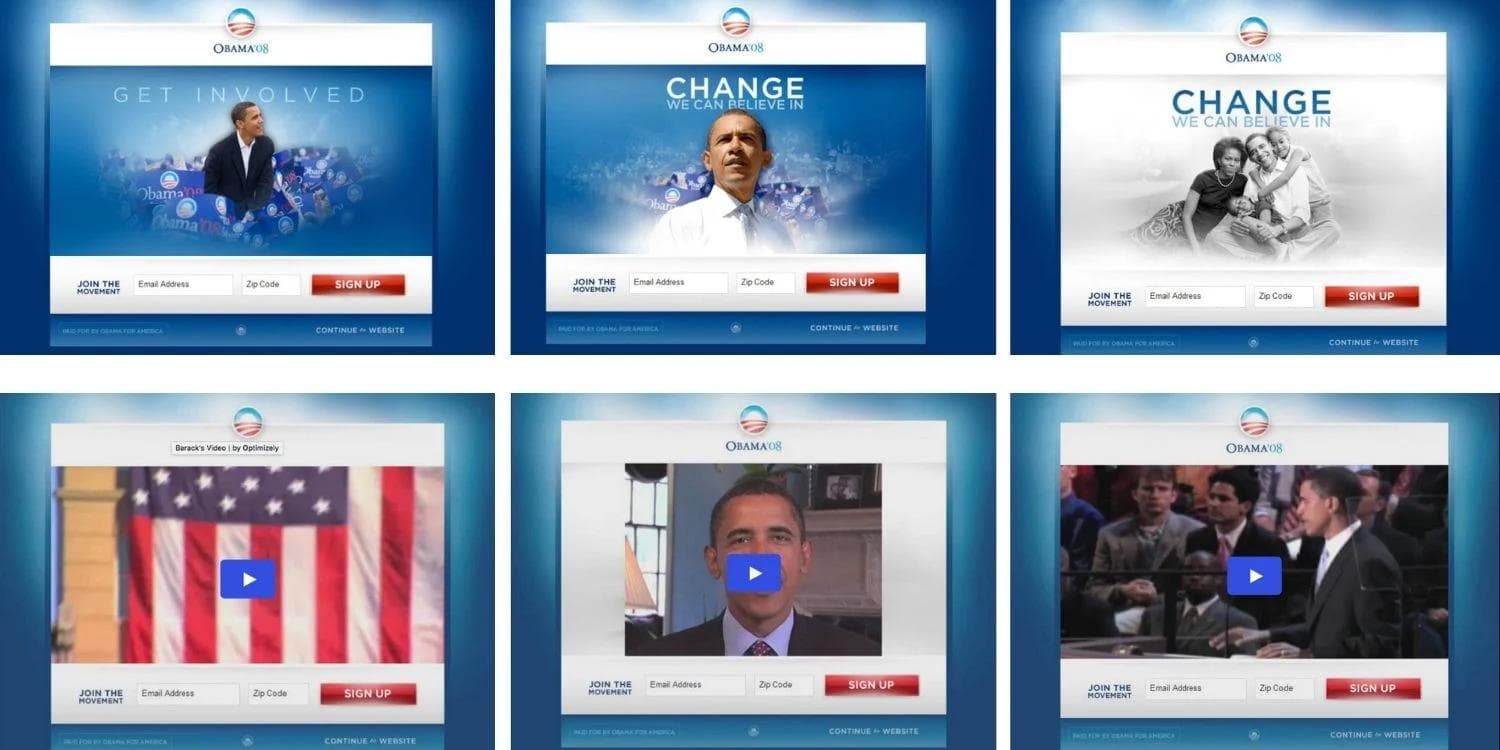
For example, Barrack Obama strategically leveraged A/B split testing during his presidential campaign. As a result, Obama became the president of the United States, of course.
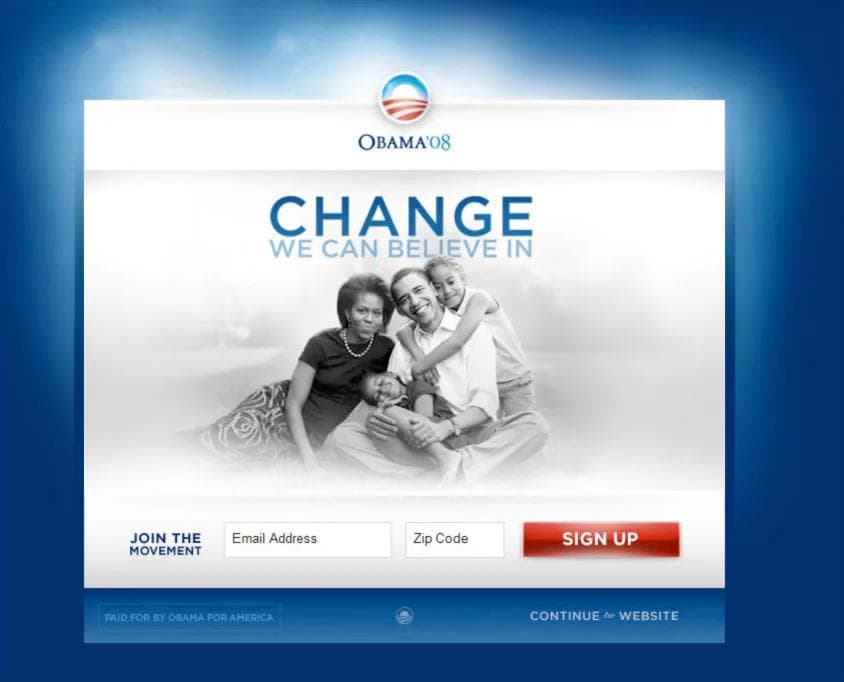
Obama's team set up landing page variants to increase email sign-ups for donations towards his campaign.
Source: Mail Munch
Winning variation
The winning variation increased sign-ups by 11.6% compared to the original page, which only produced an 8.26% conversion rate.
Quantifiably, that is a 40.6% improvement, producing 2.8 million additional email addresses, translating into an additional $60 million in donations.
Have you ever dreamed of becoming a president? A/B testing could help you get there. It worked for Obama.
The Ugly Part About CRO Marketing
Most companies are unaware of several factors that could skew CRO marketing results. All too often, tests are implemented incorrectly and fail to measure the right metrics that will lead users to convert into a sale.
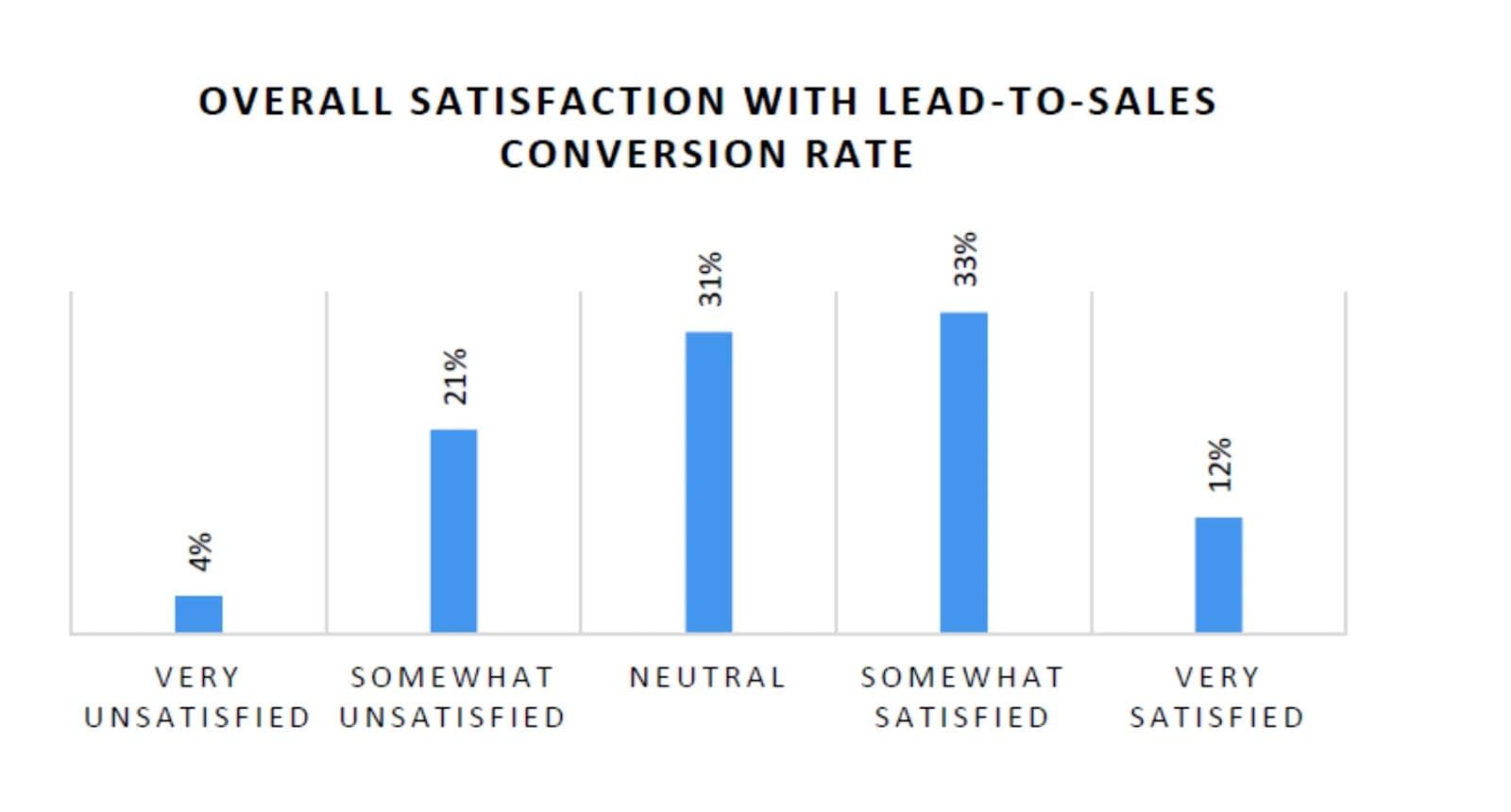
False positives are rampant in A/B testing, leading to less-than-stellar results. For example, a recent study found the following:
Source: Ascend2
Understanding the principles of CRO marketing is vital to increase the lead-to-sales conversion rate. For example, the novelty effect may cause inaccuracy in the lead to sales generated.
The Novelty Effect
Let's say you're testing a blue button on a lead form landing page, but thus far, you have only featured a red button on the landing page.
The test states the blue button produces more conversions — but the test results may not be because of the blue button variant. Instead, the novelty effect may be skewing your results.
When you alter what your typical visitor isn't used to seeing. Is the change in conversion rate a result of the change? Or because of the novelty of the change?
How To Solve For The Novelty Effect
Returning visitors are used to seeing the red button. The blue button may attract more attention because it's different from what is usually displayed.
But new visitors have never seen the blue button, so if it attracts their attention, it won't be because they're used to something different. Instead, the blue button is more likely to be more attention-grabbing overall.
Consider driving new traffic to test variations and exclude returning traffic to ensure the novelty effect doesn't impact your results.
Our CRO Approach
We take an unconventional approach to an unconventional skillset. For example, most people know about data analysis and may equate data analysts to CROs, but data analysts are not CROs.
What is the difference between a CRO analyst vs. a data analyst?
CROs are differentiated from data analysts by going much more in-depth to translate data into UX design recommendations that are A/B split tested against hypotheses.
A data analyst can provide insights into numbers but does not usually translate into UX design recommendations that are A/B split tested to gauge the level of impact from the implementation.
Our CRO professional services include:
- An analytics audit
- In-depth assessment of your acquisition marketing
- Evaluation of psychological components on your site property
- UX design
- Development
- QA (Quality Assurance) of code implemented
- Reporting on results
- Iteration based on test results
Our CRO services help businesses significantly increase their immediate ROI while creating a more personalized experience that will aid their brand awareness efforts.
We don't believe in data analysis. Instead, we believe in results by uncovering the truth about what your data is trying to communicate, but it often goes unheard.
Did you know that 43% of organizations report collecting data on leads is the most significant barrier to successful lead conversion?
How we approach data collection
Instead of working with the data that you collect by default through your analytics accounts, we take a more granular approach. First, we listen to what the data is communicating. It is not the lack of collecting data in most cases.
It is more of tracking the data that will lead users toward performing a conversion action. We leverage GTM (Google Tag Manager) and Segment.io to set up event tracking to enrich your data collection.
We take the collected events and create strategies to re-engage users based on the click activity they perform on your site.
Setting up goals in Google Analytics is great. But setting up event-based goals to define granular audience segments based on specific actions is better. In most cases, it is not what you did but how you did it.
In conclusion,
When setting up A/B split tests, you must evaluate the best approach to achieving your primary objectives. Ensuring accuracy in your data and making sure you are tracking the right metrics is critical to success.
At the end of the day, there are more advantages to conducting A/B testing than disadvantages, but organizations need to be thoughtful in approaching CRO. What are your biggest challenges with CRO?

I lead our insights and optimization practice, specializing in conversion rate optimization and A/B testing. I've spent over a decade helping companies turn website traffic into measurable revenue.