A Step-by-Step Guide to an Easy Headless CMS Migration

Switching to a headless CMS is a big decision to make, and could be a turning point in your marketing team's website operations. In this detailed guide, we'll walk you through the essential steps and things to consider before and during a headless CMS migration.
Highlights:
- Headless CMSs, like Contentful, Sanity, and Storyblok, separate content management from how it's presented, letting you deliver content through APIs to any platform or device.
- Pre-migration considerations include assessing your current needs, understanding stakeholder goals, addressing challenges, and checking team readiness.
- Do proper research to find the best headless CMS platform for your team's and business's needs.
- After migration, focus on optimization, training your team, monitoring, and setting up feedback loops to ensure everything runs smoothly.
Headless CMS Migration Step-by-Step Guide
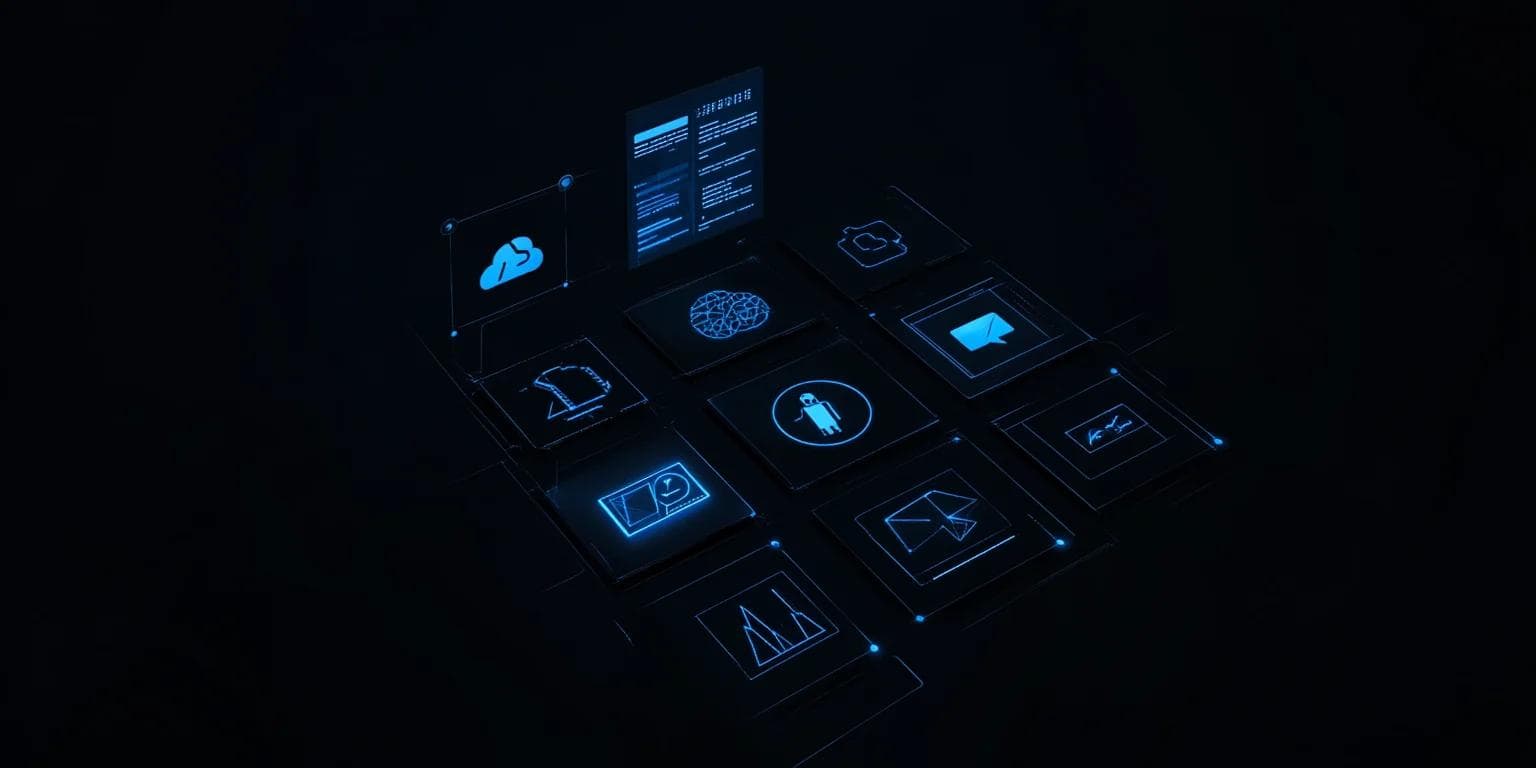
Migrating from a traditional to a headless CMS is a considerable project that requires careful planning and preparation. Let's go through the essential steps to ensure a smooth transition.
Step 1: Pre-Migration Considerations
Whether you're planning to migrate to headless CMS from platforms like WordPress, Webflow, or another traditional system, you'll need to carefully assess your current content needs and understand what stakeholders want.
Before jumping into a migration, do a thorough content audit. Figure out what content needs to move, what can be archived, and what might be left behind.
Get stakeholders involved from all parts of the organization—IT, marketing, and content creators. Their input ensures the migration aligns with your goals and uncovers department-specific priorities and potential issues.
Challenges and Preparations
Content migration comes with challenges:
- Risks of data loss
- Possible downtime
- Integration complexities
You'll need a detailed migration project plan. Lay out clear timelines, allocate resources, and have risk management strategies in place. Test the migrations and have a rollback plan ready to proactively handle any data issues. Having experienced solution architects can be a huge help as they can offer tailored migration strategies that fit your business needs.
Considering Team Readiness
Assess your team's current technical skills and identify any gaps that might slow down the adoption of a new CMS. Systems like Contentful are architecturally different from traditional platforms, so your team needs to be prepared for the change.
Providing comprehensive training sessions and ongoing support helps your team get comfortable with the new systems, keeping operations running smoothly after migration.
Step 2: Choosing the Right Headless CMS
With so many options out there, picking a headless CMS can feel overwhelming. Each one has its own features and benefits. To find the right fit for your organization, explore the top-rated enterprise CMS platforms to make an informed decision. Think about:
- Scalability: Can the CMS handle more traffic and growing content demands? A scalable system grows with your business, so you won't need frequent migrations or expensive upgrades.
- Flexibility: Look for a CMS that separates content from presentation, allowing you to deliver content across different platforms and systems. This supports diverse digital strategies and future tech developments.
- Ease of Use: A user-friendly interface lets both technical and non-technical users manage content easily, promoting collaboration and speeding up updates.
- Integration Capabilities: Check how well the CMS integrates with your existing systems like CRM, analytics, and e-commerce platforms.
- Security: Choose a CMS with strong security features to protect your data and content, complying with industry standards.
- Cost: Consider both the initial and long-term costs, including licensing fees and potential customization expenses. Make sure they fit your budget without sacrificing key features.
- Support and Community: Good customer support and an active user community can be a big help for troubleshooting and sharing solutions.
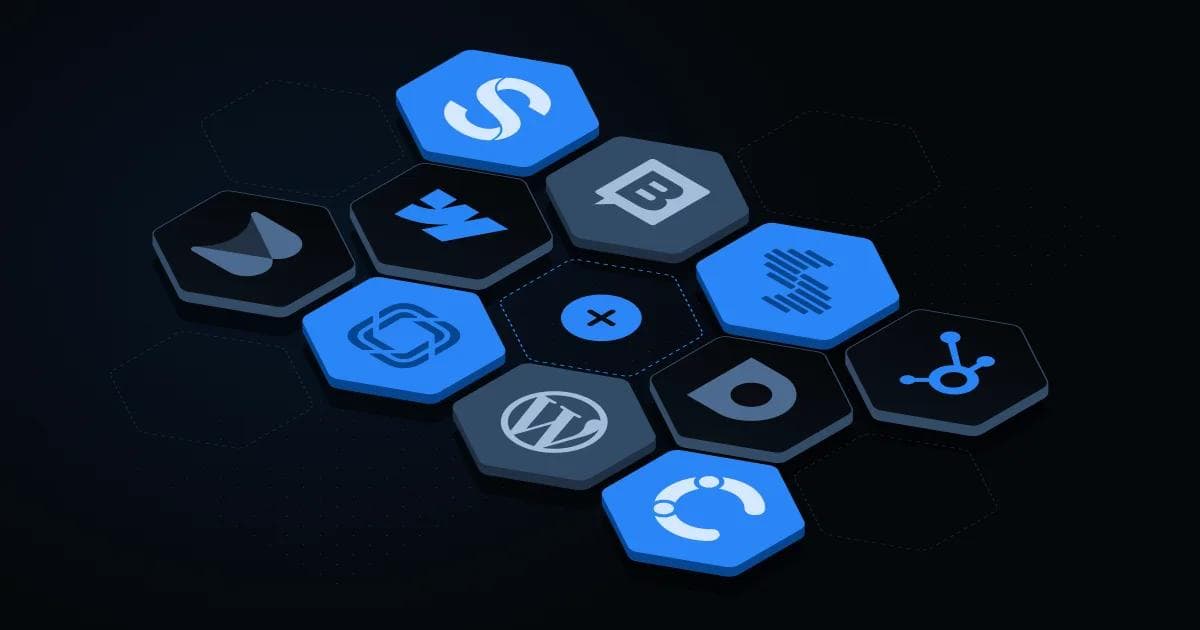
Here are some headless CMS options that stand out:
Contentful
Known for its scalable architecture, Contentful separates content from presentation, making it ideal for delivering content on multiple platforms. The platform allows you to customize content models and workflows, tailoring the CMS to your unique needs and effectively supporting your long-term goals.
See how Webstacks maximizes Contentful for scalability and the best content editing experience.
Sanity
Sanity provides real-time collaboration and powerful customization features, focusing on a flexible content experience. It's especially useful for organizations looking for dynamic content management solutions. It's probably the closest comparison to Contentful, but hasn't reached adoption from as many enterprises yet.
We design and develop high-performance websites on Sanity built for scale, speed, and collaboration.

Storyblok
Storyblok blends the flexibility of a headless CMS with a visual editing experience that marketers actually enjoy using. Its visual composer gives non-technical teams the power to manage content layout without waiting on developers—while still offering developers full control over the front end. For teams looking to scale modular content across pages, products, and languages, Storyblok hits a rare sweet spot between usability and architecture.
Storyblok development for fast-moving teams—streamlining your dev, design, and marketing operations.

Builder.io
Builder.io turns your frontend into a fully customizable, drag-and-drop experience—without sacrificing performance. It’s more than a CMS—it’s a visual development layer that integrates directly into your codebase, giving marketers the freedom to build and optimize pages while developers retain control over structure and speed. For brands like Solana Foundation, it’s a game-changer for accelerating launches without compromising on branding or user experience.
We help teams get the most from Builder.io—combining intuitive editing with high-performance front-ends.

DatoCMS
DatoCMS is fast, lightweight, and developer-first—perfect for performance-focused websites and Jamstack architecture. What stands out for marketers is its clean UI and content modeling flexibility, which make it easy to manage structured content at scale. It’s a solid choice for teams that want headless speed and simplicity, without the bloat of overly complex systems.
Scalable, modular DatoCMS builds that give B2B marketing teams full control of their website.

Step 3: Planning the Migration
The next step is to create a migration plan that covers the following steps:
- Figure out what content and systems need to be migrated, what can be archived, and what can be left behind.
- Identify what you'll need in terms of technology, people, and budget. Assign clear roles and responsibilities to make sure you have the right expertise to manage the migration smoothly. This might mean hiring external consultants or relying on experienced staff within your organization.
- Develop a detailed timeline with realistic milestones to keep track of progress and address issues promptly.
- Understand which systems or data will be migrated, which will stay the same, and what improvements you expect after the migration. These objectives guide your decisions and help you measure success.
Then, identify potential risks such as data loss, system downtime, and compatibility issues.
Involve team members from different departments to consider all perspectives. Tools like risk matrices can help you prioritize risks based on how likely they are and their impact.
Develop strategies to mitigate each risk. This could include creating backup plans, scheduling around potential downtime, or extensive testing before full implementation.
Step 4: Technical Steps for Migration
Before you start migrating data, set up the right environment for your headless CMS migration.
Audit your current system to figure out what data needs to be migrated, archived, or discarded, so only necessary content is transferred.
Make sure you have the right migration tools, such as specific versions of database management software, operating systems, or dedicated migration tools suitable for the new system. Set up a secure test environment that mirrors your live setup. This lets you simulate the migration process, spot issues, and keep them from affecting live data.
During the data migration process, pay attention to the following:
- Carefully export data from your current system. The complexity might require robust scripts and tools, especially for complex data structures.
- Convert the extracted data into formats compatible with the new system. This involves reformatting text, resizing images, and updating metadata to fit the new CMS requirements.
- Import the transformed data into the new system, checking for accuracy and completeness. Rigorous testing after import is necessary to make sure everything works properly.
The exact process might look different depending on the specific headless CMS you’re migrating to. Our guides on Sanity CMS migration and Storyblok migration can provide more detailed instructions.
Note that data migrations often face several technical challenges, such as data loss, system downtime, and differences between source and target data formats causing errors.
Step 5: Post-Migration Procedures
After the migration is complete, do a thorough audit of all the imported content to spot any issues like missing or corrupted files.
Set up a maintenance schedule to regularly check load times and engagement metrics. This includes implementing caching strategies and using CDNs to speed up access globally. Getting professional help can assist in setting up monitoring tools and keeping the CMS performing at its best.
Also, use analytics tools to track key performance indicators like user retention, engagement levels, and conversion rates. These metrics will help you gauge the CMS's real-world impact.
Set up feedback loops where users and team members can suggest improvements or report issues. This feedback helps you make data-driven decisions and continuous improvements. Regularly scheduled reviews of performance metrics and feedback can guide ongoing enhancements so the CMS continues to meet evolving user and business needs effectively.
Unlock the Full Potential of Your Website
Transitioning to a headless CMS empowers your organization with unparalleled flexibility, scalability, and performance. This migration isn't without its challenges, but with thorough preparation, including stakeholder alignment and risk management, you can pave the way for a seamless implementation.
Download our headless CMS implementation checklist to make sure you don’t miss a step as you’re preparing for the migration.
Avoid costly mistakes and last-minute surprises by preparing with our actionable checklist.