Reflecting on a Year of Making the Web Composable
In a year marked by rapid product cycles, growing AI adoption, and shifting buyer expectations, B2B websites were asked to do a lot more.
We spent the year building alongside teams who were ready to rethink their foundations. That meant breaking rigid systems apart, rebuilding them with modular pieces, and treating the website like a product that evolves over time. It was fast, collaborative, and at times, a little chaotic in the best way.
In the sections ahead, we’ll share what that work actually looked like. The scale of what we shipped, the patterns we saw across high-performing teams, and the client stories that made 2025 such a memorable year. Consider this a look back at how the web changed and how we changed with it.
2025 by The Numbers
It’s easy to talk about momentum. It’s harder to show what it actually looks like when teams are shipping week after week, iterating in place, and treating their website like a product instead of a project.
For us, 2025 looked like a lot of launches, a lot of pages, and a lot of systems being rebuilt to support what comes next. These numbers capture the pace and scale of the work we shipped alongside B2B teams throughout the year.
Taken together, these numbers reflect how the work unfolded throughout 2025. Websites evolved continuously as teams shipped new pages, expanded systems, and improved platforms without slowing down to reset every few months.
Taken together, these numbers show how the work actually unfolded throughout the year. Not in big resets or one-off launches, but through steady iteration, expansion, and improvement as teams treated their websites like living systems.
The scale matters, but the execution matters more. Here’s what that work looked like in practice.
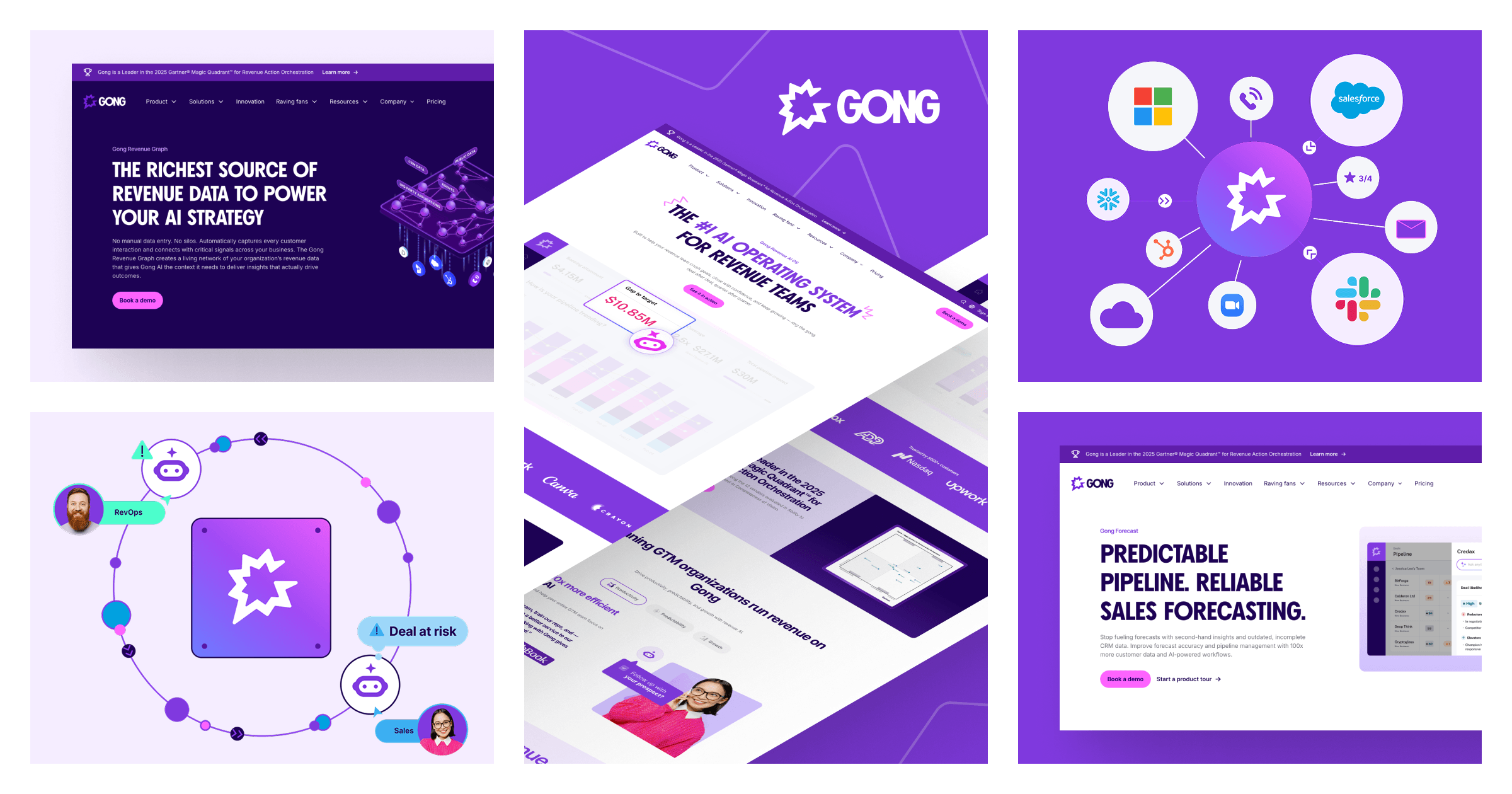
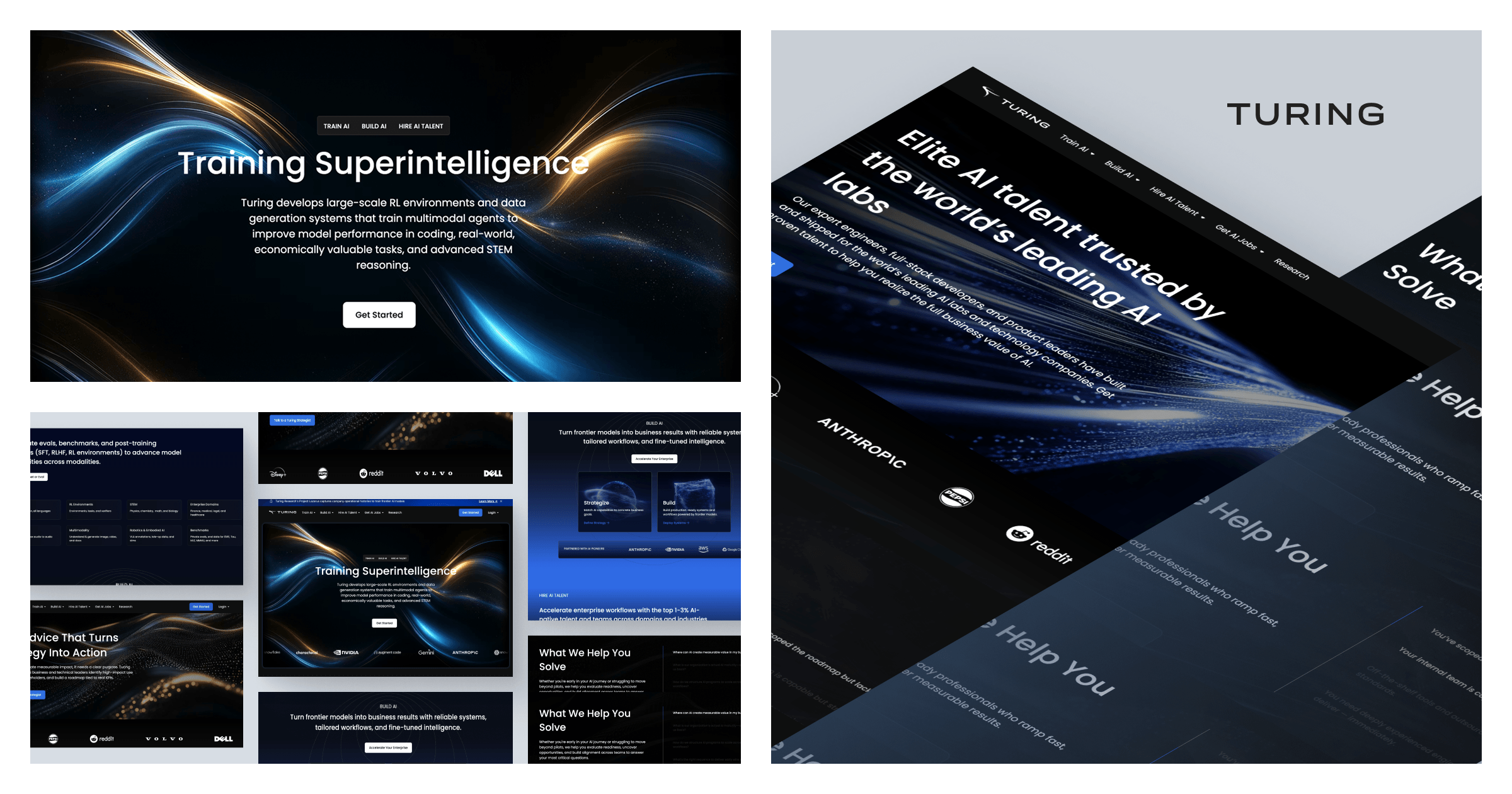
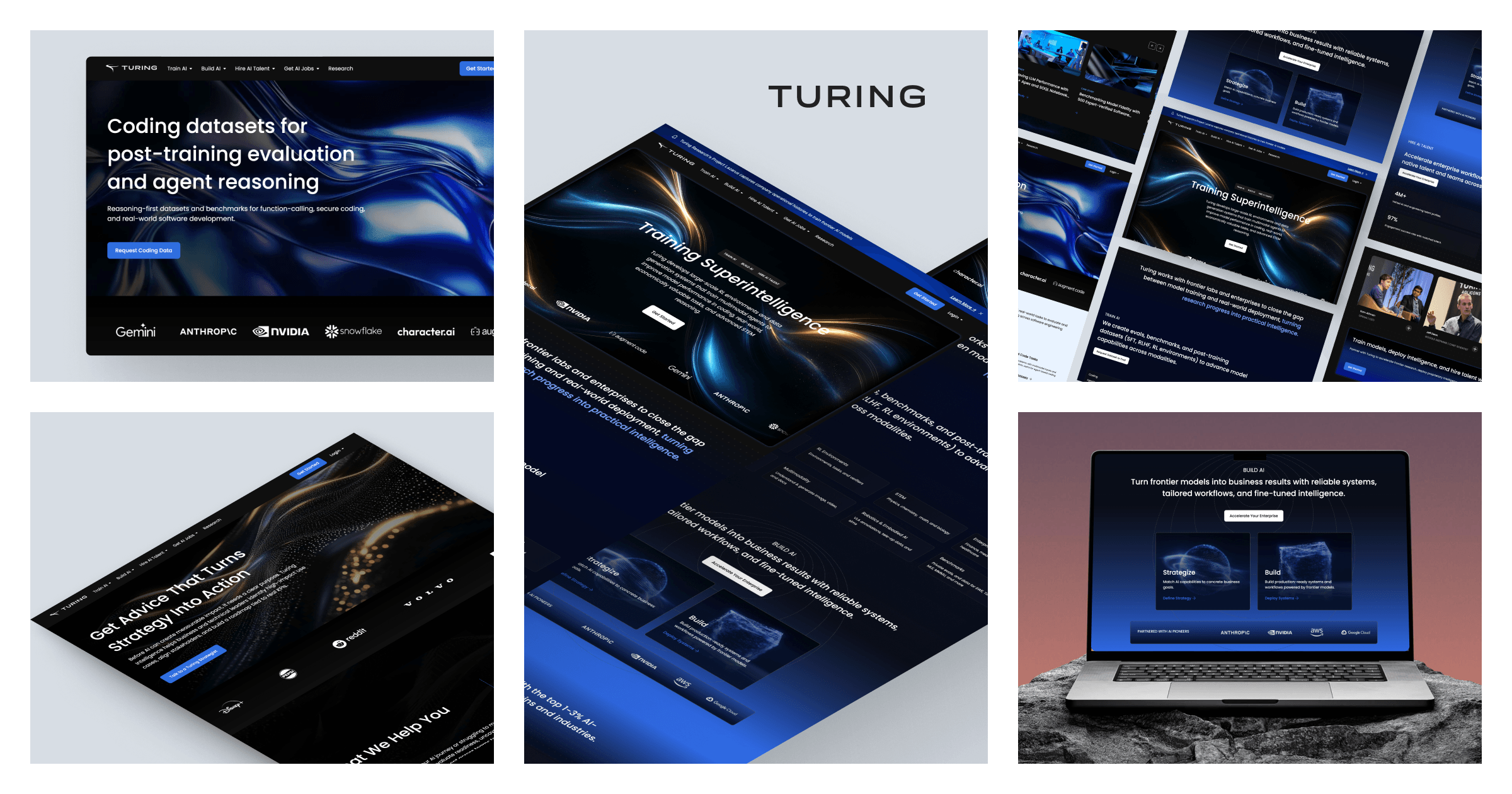
Project Highlights of the Year
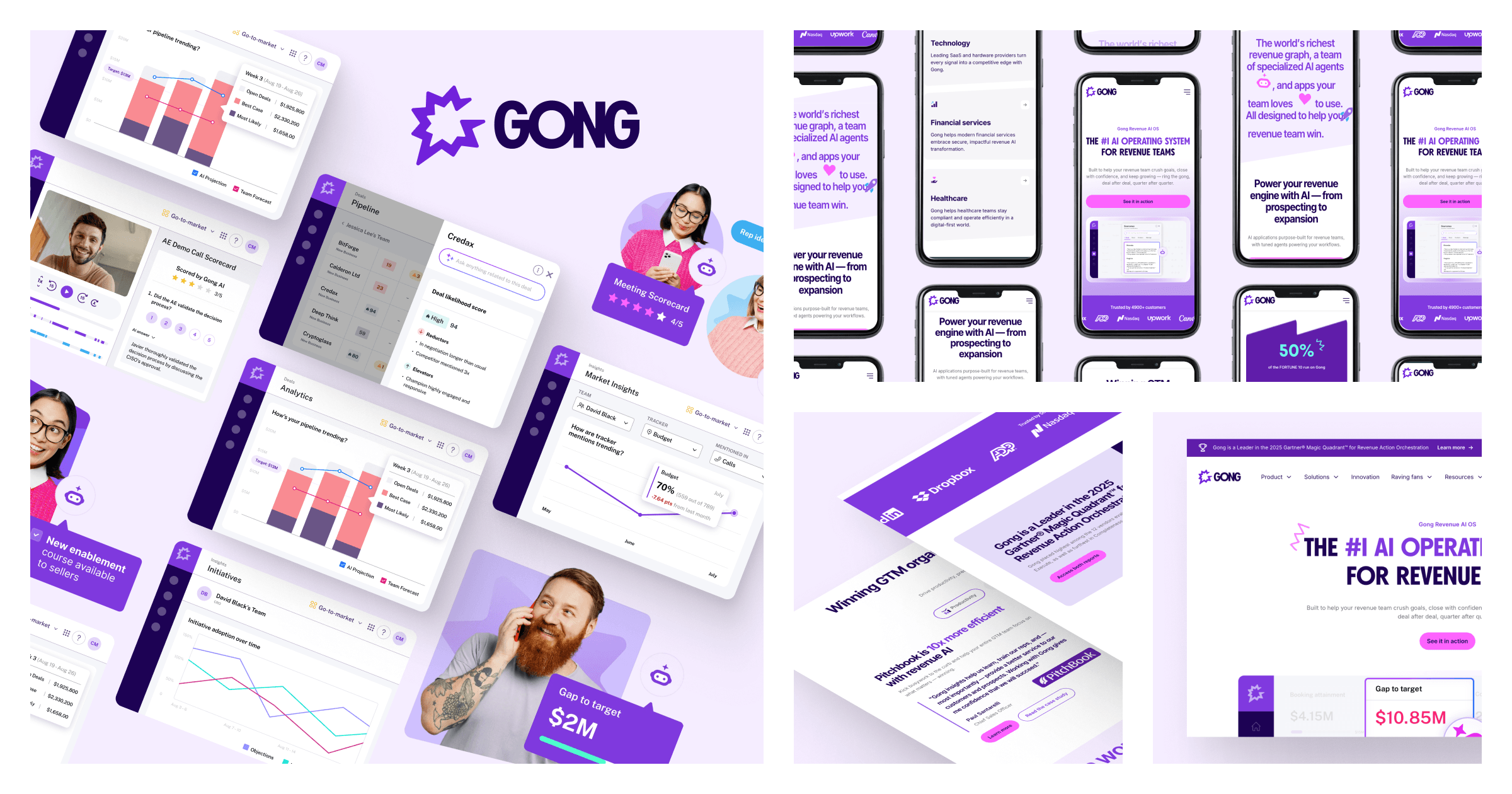
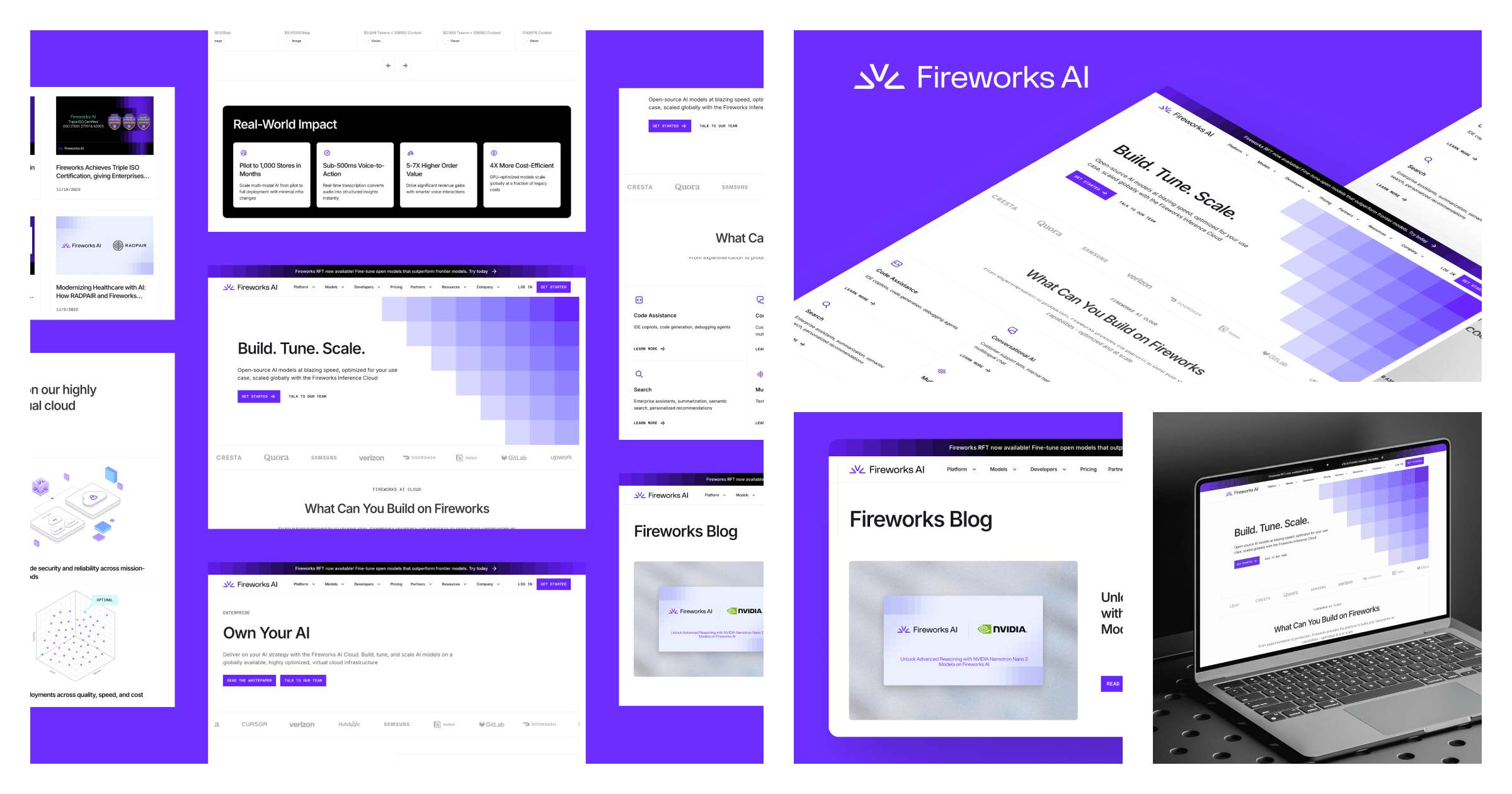
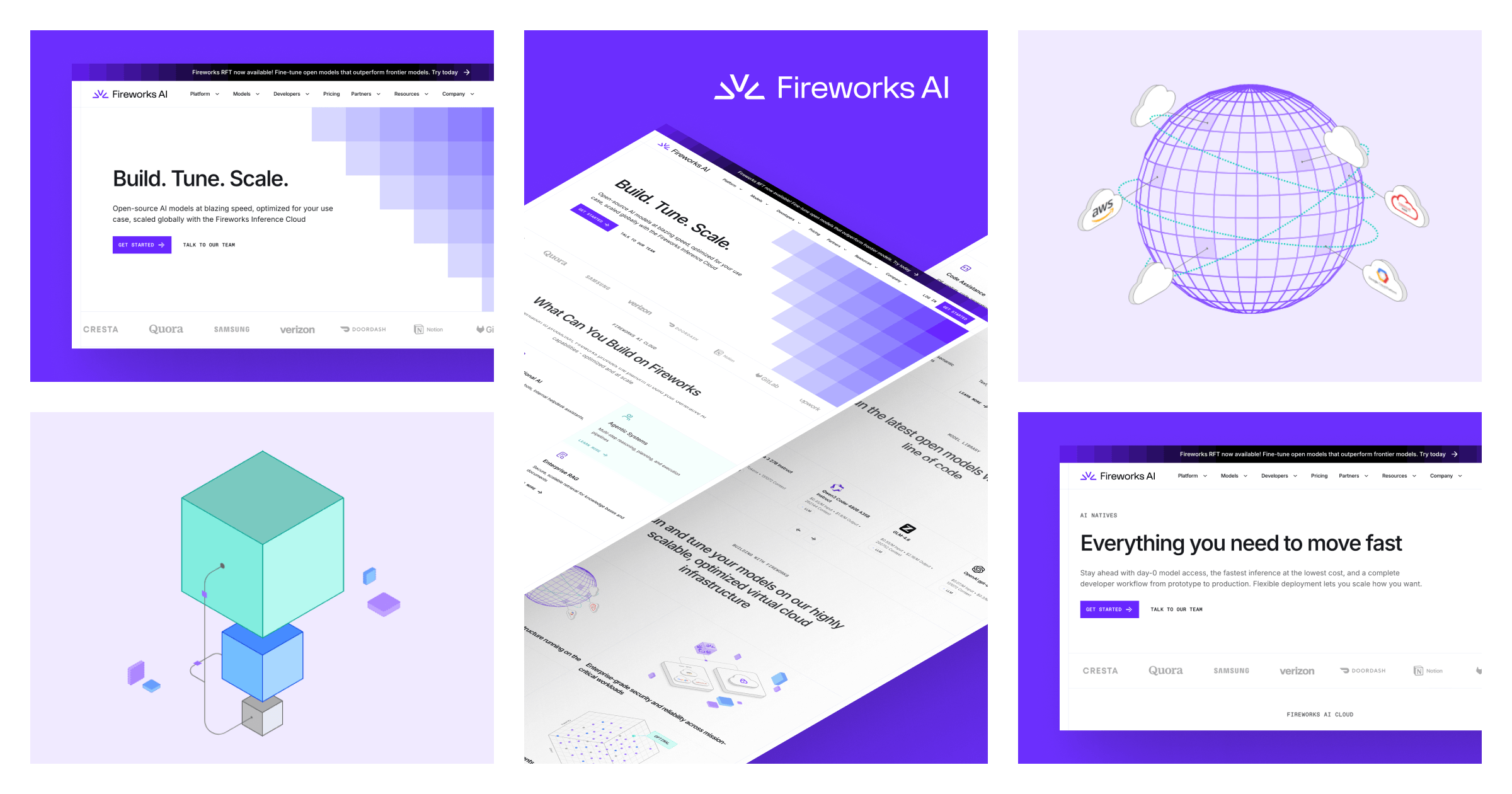
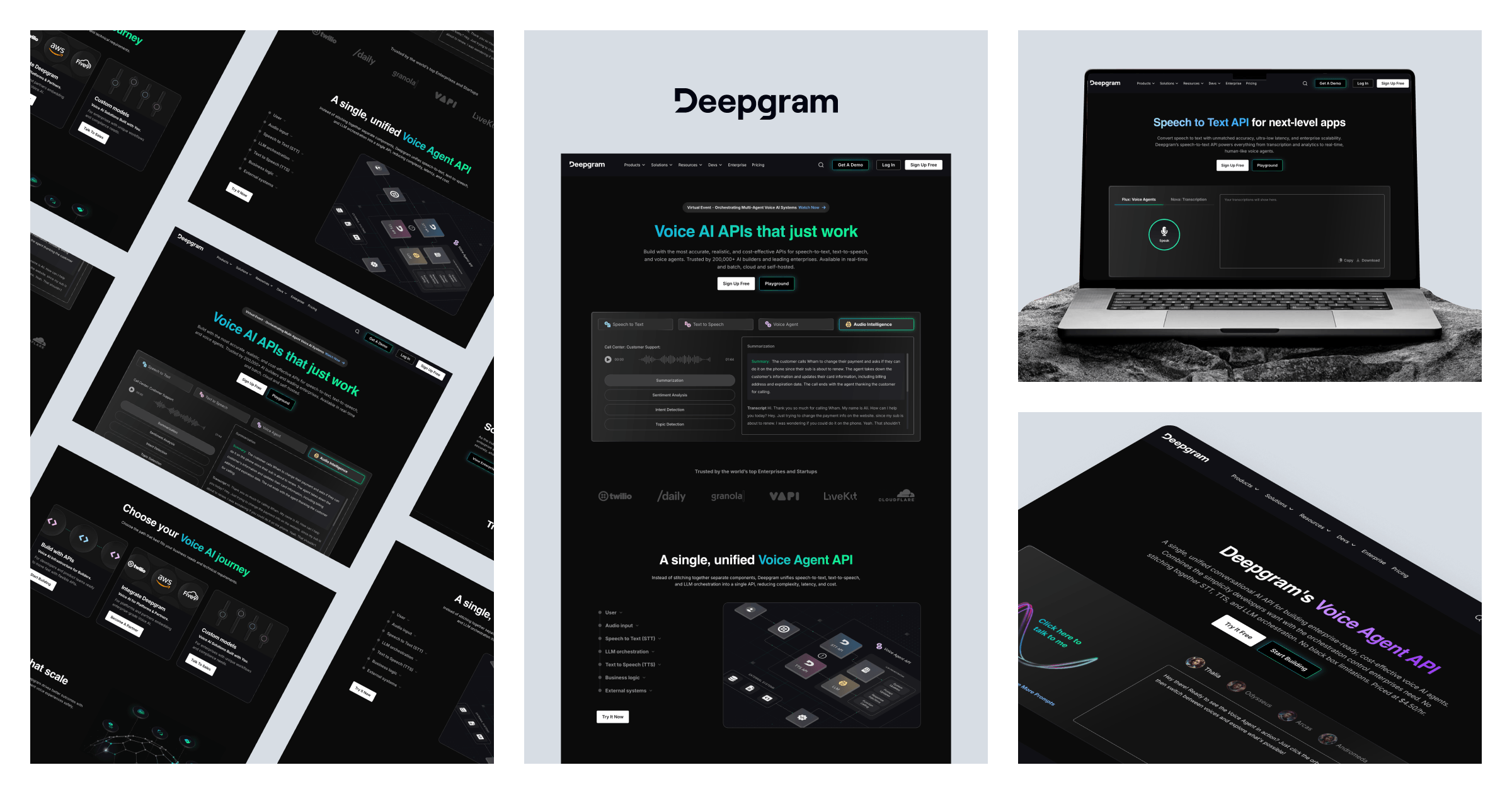
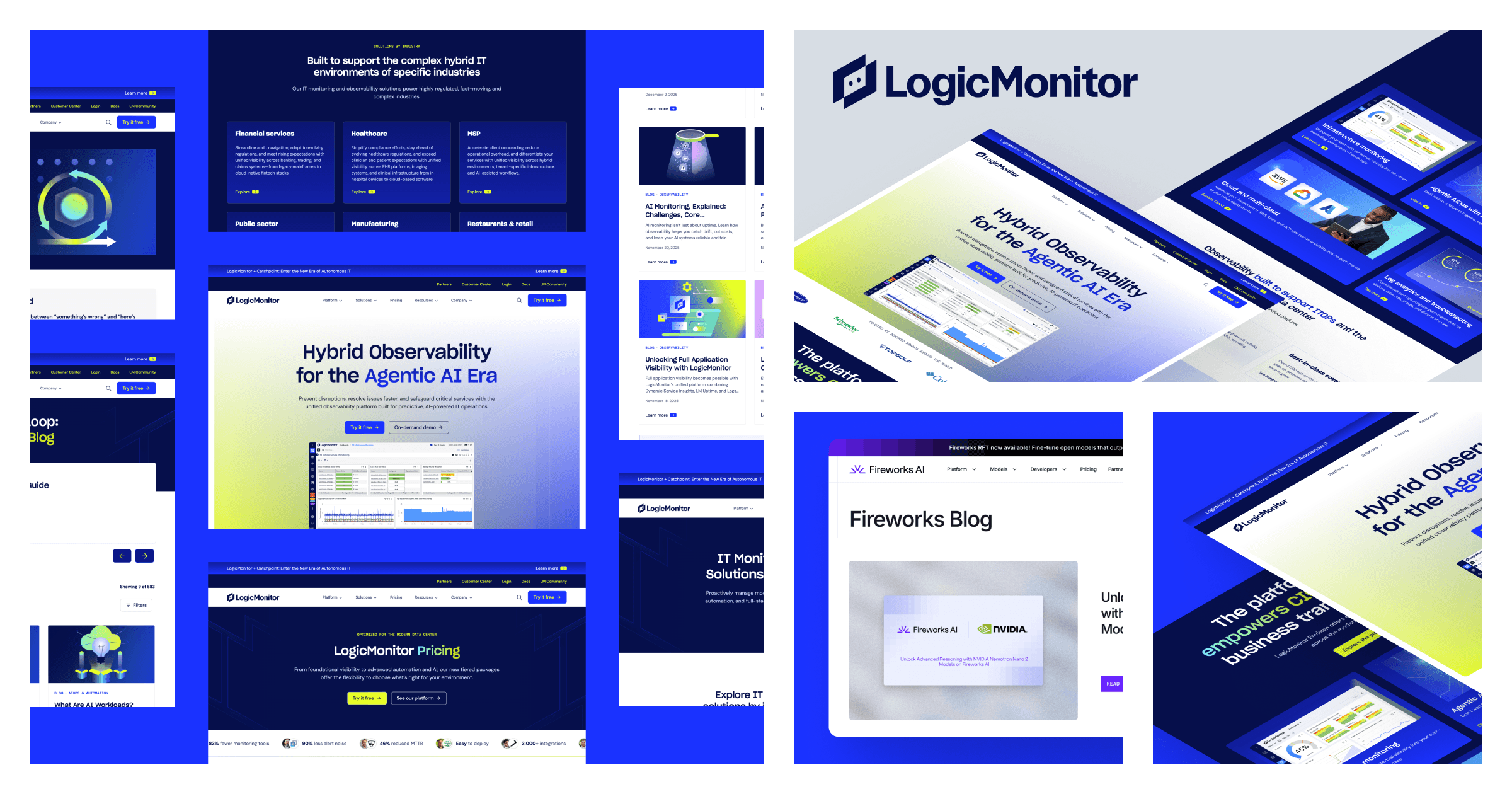
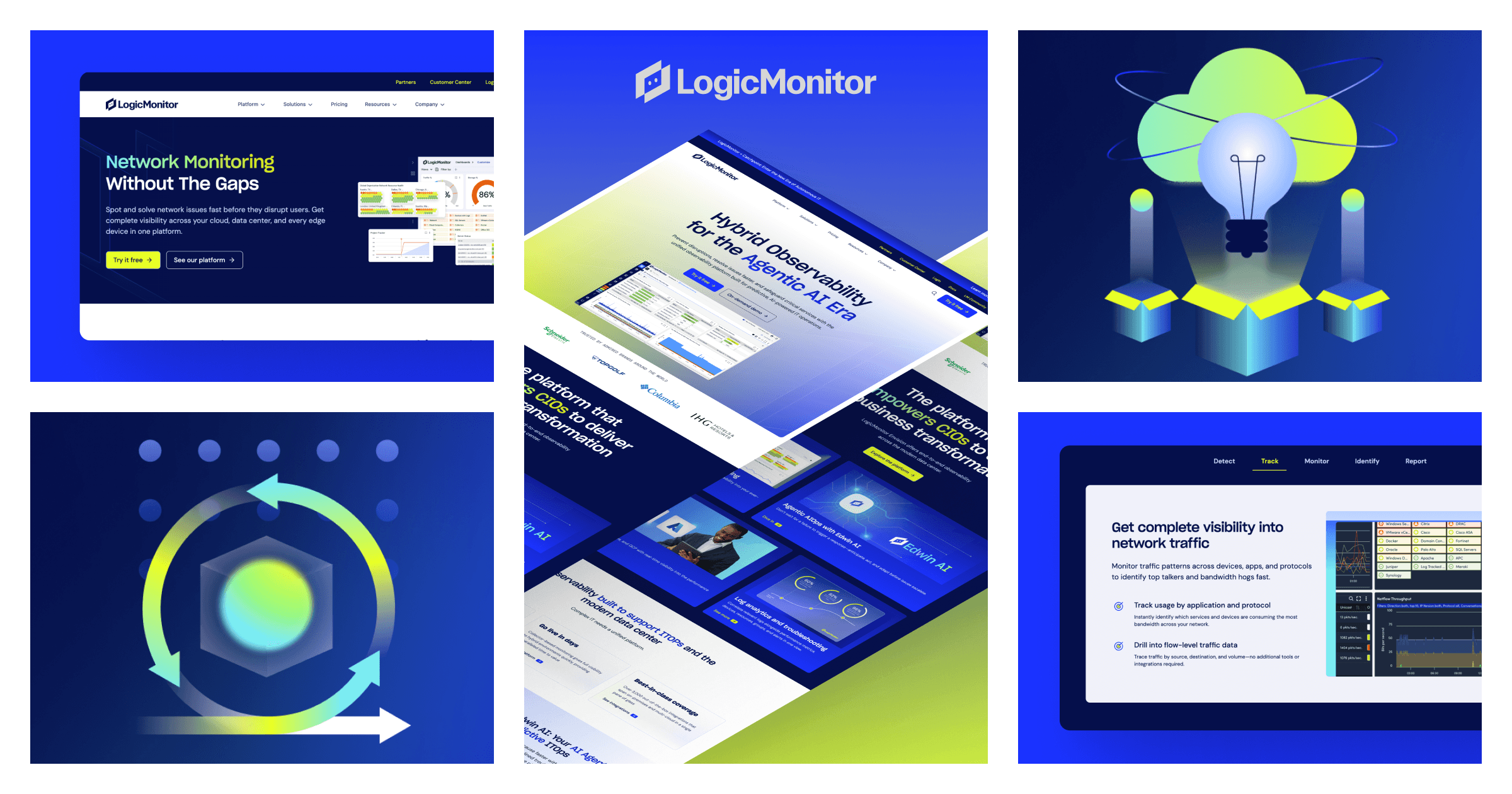
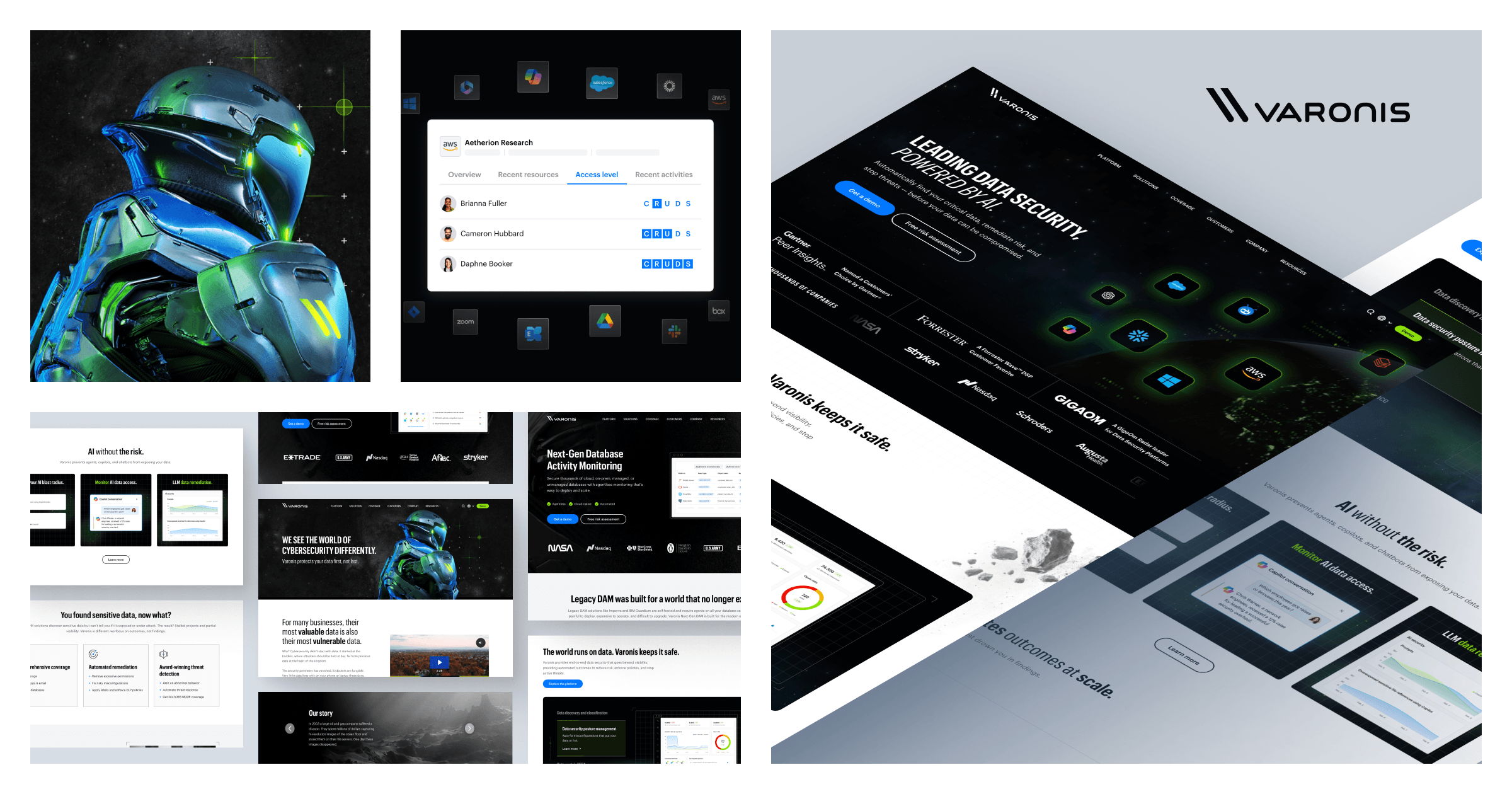
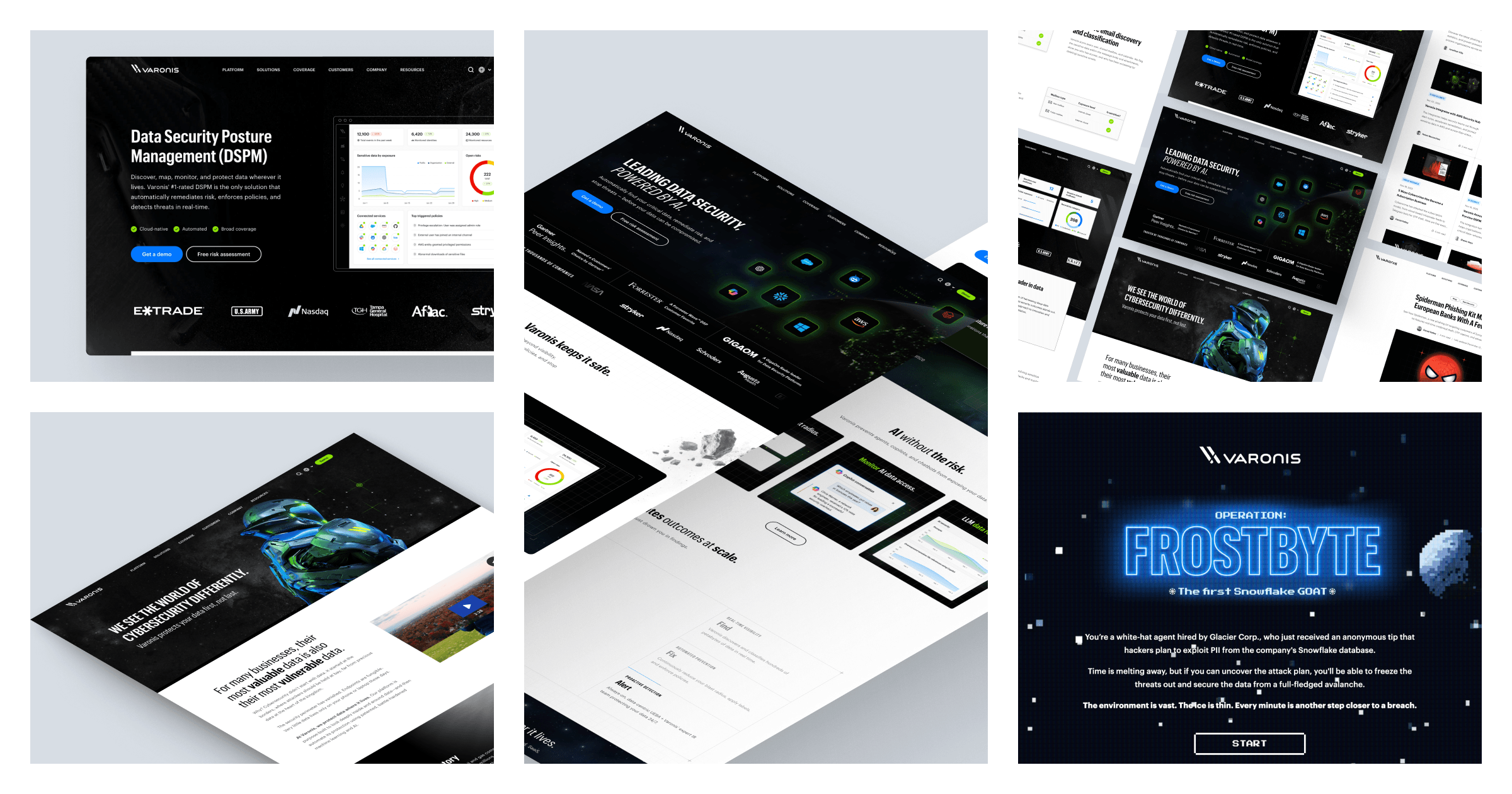
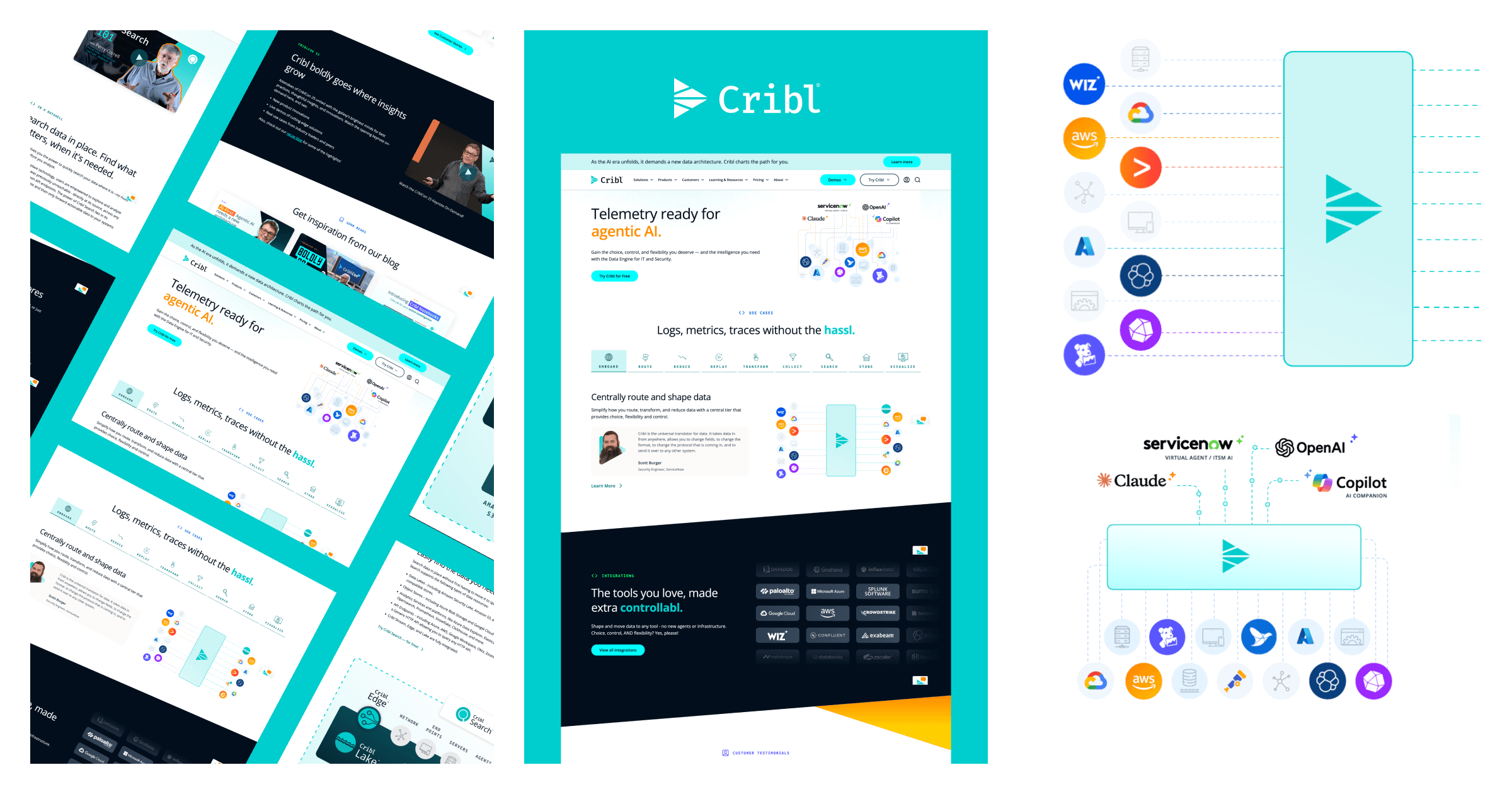
The numbers tell part of the story. The work fills in the rest. Here are a few of the projects that shaped our year across SaaS, AI/ML, and Enterprise.
Enterprise Software



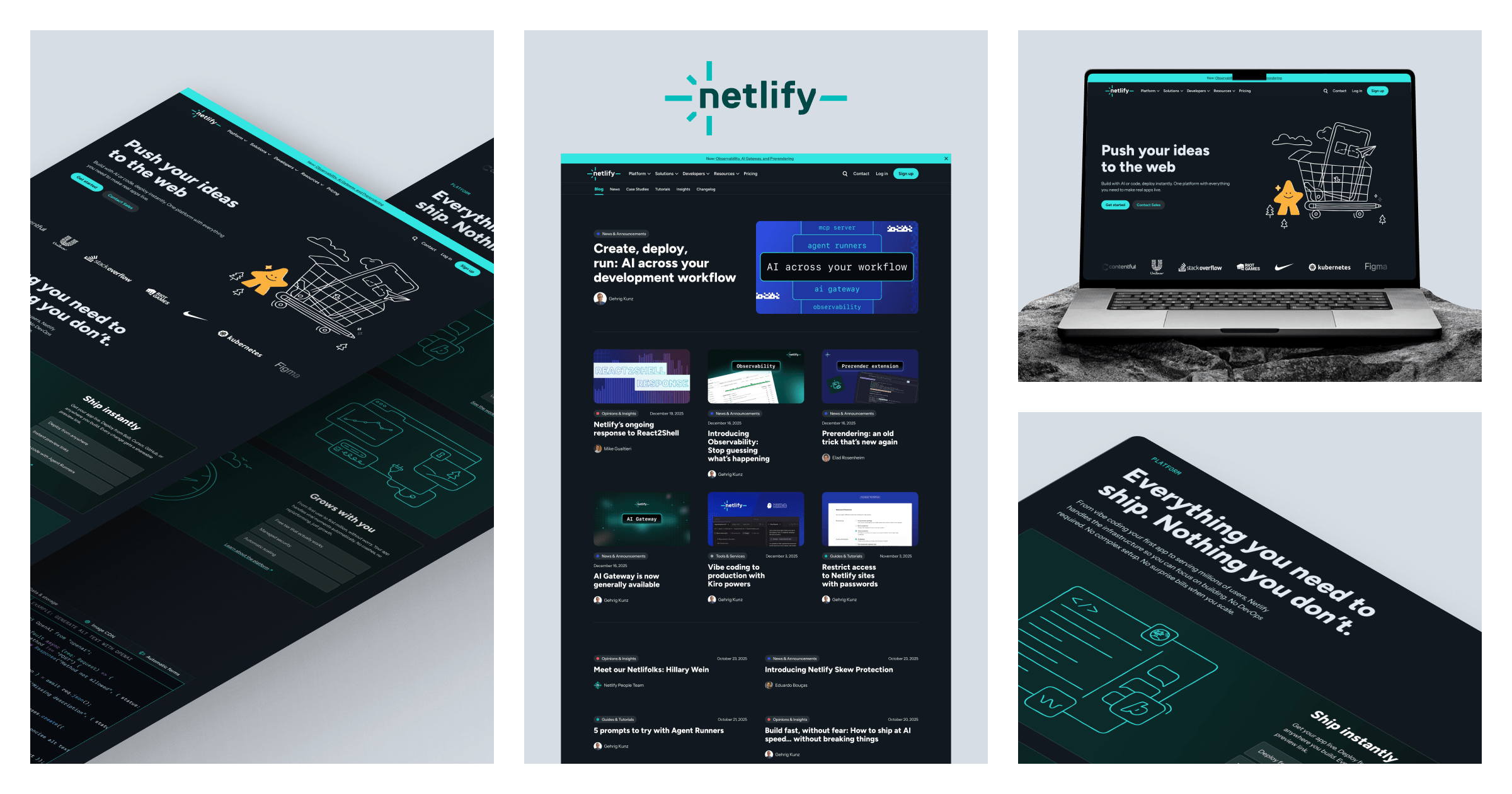
AI/ML
Security and IT Monitoring
Composable Wasn’t an Option Anymore for Fast-Growing Teams
By 2025, fast-growing B2B teams had outgrown traditional CMS models. Monolithic platforms made change slow, tightly coupled, and overly dependent on engineering. As websites expanded, every update introduced more coordination and risk than teams were willing to accept.
CMS migrations accelerated as teams looked for architectures that separated concerns and reduced friction. Composable stacks made it possible to evolve content, design, and functionality independently, without rebuilding everything at once.
The benefits were immediate. Teams shipped faster, ownership became clearer across functions, and websites scaled without becoming harder to manage. Marketing teams gained more control over iteration and launch timing, changing how campaigns and pages came to life.
Webstacks spent the year helping teams navigate this transition. From choosing the right architecture to designing modular systems and guiding migrations, our role was to reduce complexity and help teams move forward with confidence.
By the end of 2025, composable was no longer an experiment. For fast-growing teams, it became the foundation that allowed everything else to move faster.
How AI Changed the Way We Build
In 2025, AI stopped being something we experimented with and became part of how we actually worked. Not as a replacement for people, but as an accelerator that helped us move faster and explore more ideas earlier in the process.
We used AI across design, strategy, and development to open up possibilities without cutting corners. Our designers leaned on it to test directions before committing to systems. Our strategists used it to pressure-test structure and messaging. Our engineers used it to unblock problems and spend less time on repetitive work.
One standout moment: in Q3 alone, our design team generated hundreds of early-stage concepts with AI, turning weeks of exploration into days.
The result was more momentum, better decisions, and more focus on the work that truly mattered.
What the Best B2B SaaS Teams Did Differently
After spending the year building alongside B2B SaaS teams, a few patterns became impossible to ignore. The teams that moved fastest and stayed aligned didn’t rely on luck or heroics. They approached their websites with a different mindset from the start.
🚀 They treated the website like a product.The strongest teams planned for ongoing iteration early. Roadmaps extended beyond launch, and the site evolved alongside new features, markets, and messaging.
🚀 They invested in systems, not pages.Teams focused on modular components and flexible structures that could absorb change without constant redesigns. That investment paid off every time priorities shifted.
🚀 They built for iteration, not launch day.Launches became checkpoints, not finish lines. Pages shipped in phases, feedback arrived sooner, and improvements continued without waiting for a full reset.
🚀 They aligned design, development, and marketing early.Shared context upfront led to clearer decisions, fewer handoffs, and far less rework as projects progressed.
What We’re Carrying into 2026
As we move into 2026, the biggest takeaways from 2025 are less about trends and more about how teams work. The momentum we built this year shaped a few clear priorities we’re carrying forward.
Operational efficiency stays front and center
Modularity and smarter design systems continue to unlock speed. Teams want the ability to launch, adjust, and scale without friction. Websites are increasingly treated as long-term infrastructure, not short-term projects.
User experience remains the differentiator
Clear structure, faster performance, and consistent experiences matter more as buyer expectations rise. Speed to market means very little if the experience feels disjointed or hard to navigate.
Technology becomes an enabler, not a distraction
AI is playing a growing role in accelerating workflows and improving site performance, helping teams move faster while staying focused on quality and intent.
These themes didn’t emerge overnight. They’re the result of what teams learned by building at pace throughout 2025, and they set the foundation for what comes next.
Thank You for Building with Us—Let’s Continue in 2026
As we wrap up the year, we want to say thank you to the teams who built alongside us in 2025. Your trust, collaboration, and ambition pushed our work forward and made this year one of our most meaningful yet.
The best part of 2025 was building alongside teams who showed up ready to ship. Together, we launched, iterated, and improved websites built to scale. That energy is shaping everything we’re taking into the new year.
The best part of this year was partnering with B2B SaaS teams who are redefining what modern websites need to be. Together, we took big steps toward a more composable, scalable web. Thank you to every client and partner who trusted us in 2025.

If you’re planning what comes next, we’d love to be part of the conversation. Whether you’re thinking about a new roadmap, evolving your current site, or exploring a more composable foundation, let’s build what’s next together.